
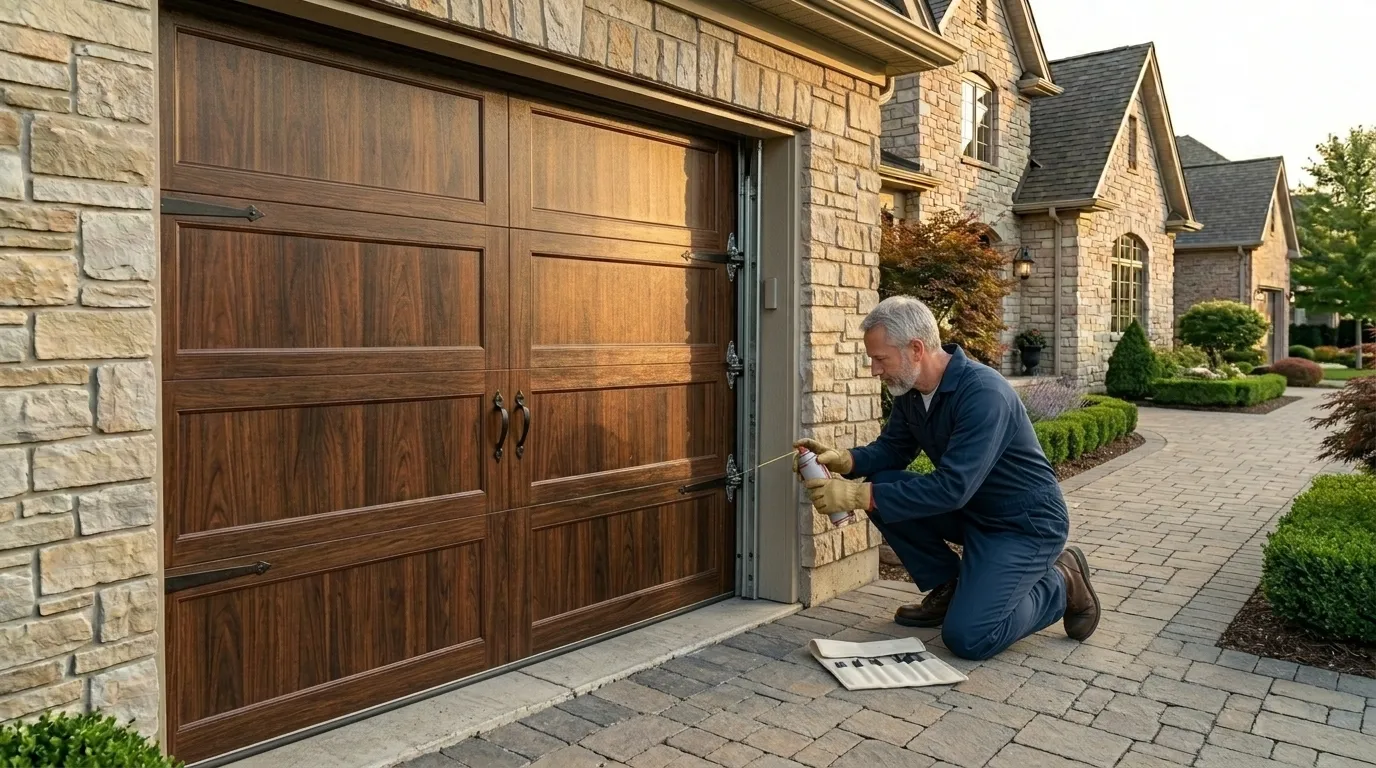
Liberty Garage Door Guide
What We Actually Check on a Liberty Service Call
A look at what a Liberty garage door service call actually involves, given housing built mostly 1951-2002 and a cold-moderate climate that stresses hardware differently than DIY videos assume.
- Licensed & Insured
- Same-Area Service Calls
- Upfront Pricing
When It Stops Being a DIY Job
A lot of Liberty homes date to the 1960s and 70s, with the wider range running 1951 to 2002 and a median build year around 1974. That means a huge share of doors in this service area are on original or first-replacement torsion hardware that's older than the internet advice telling you how to fix it. A sagging panel or a spring that's lost tension is usually fine to inspect yourself - open the door, look at the coils, check if the cable is fraying.
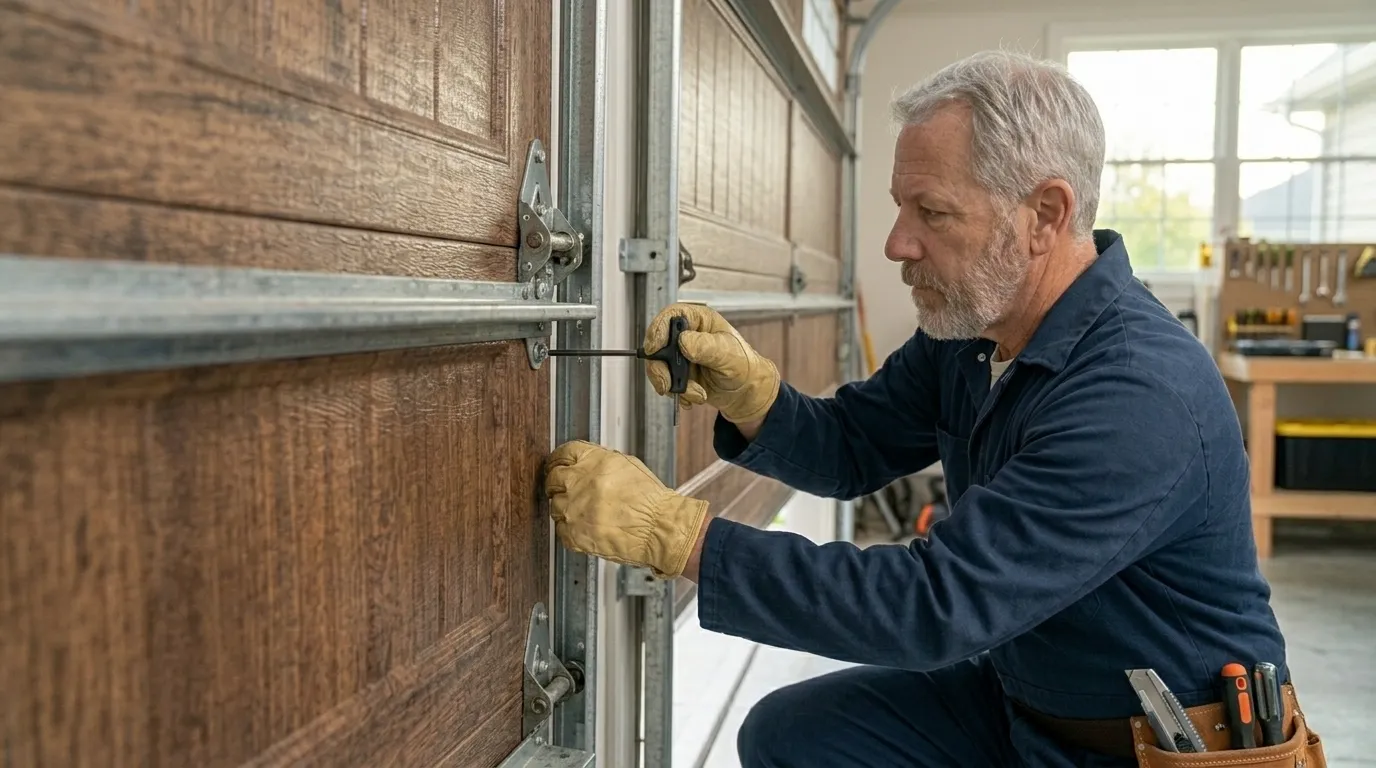
Where it stops being DIY is anything involving the torsion spring itself under load, or a cable that's already jumped its drum. Those bars are wound tight enough to break a hand or worse, and on a door built to 1970s spec, the winding cones and end bearing plates aren't always the same size as what's sold at the hardware store today. If the spring is broken, unplug the opener and leave it.
That's the line.
We also see openers original to a 1980s or 90s build that are still limping along. They work until the day they don't, usually mid-cycle with the door half up.
What Local Conditions Do
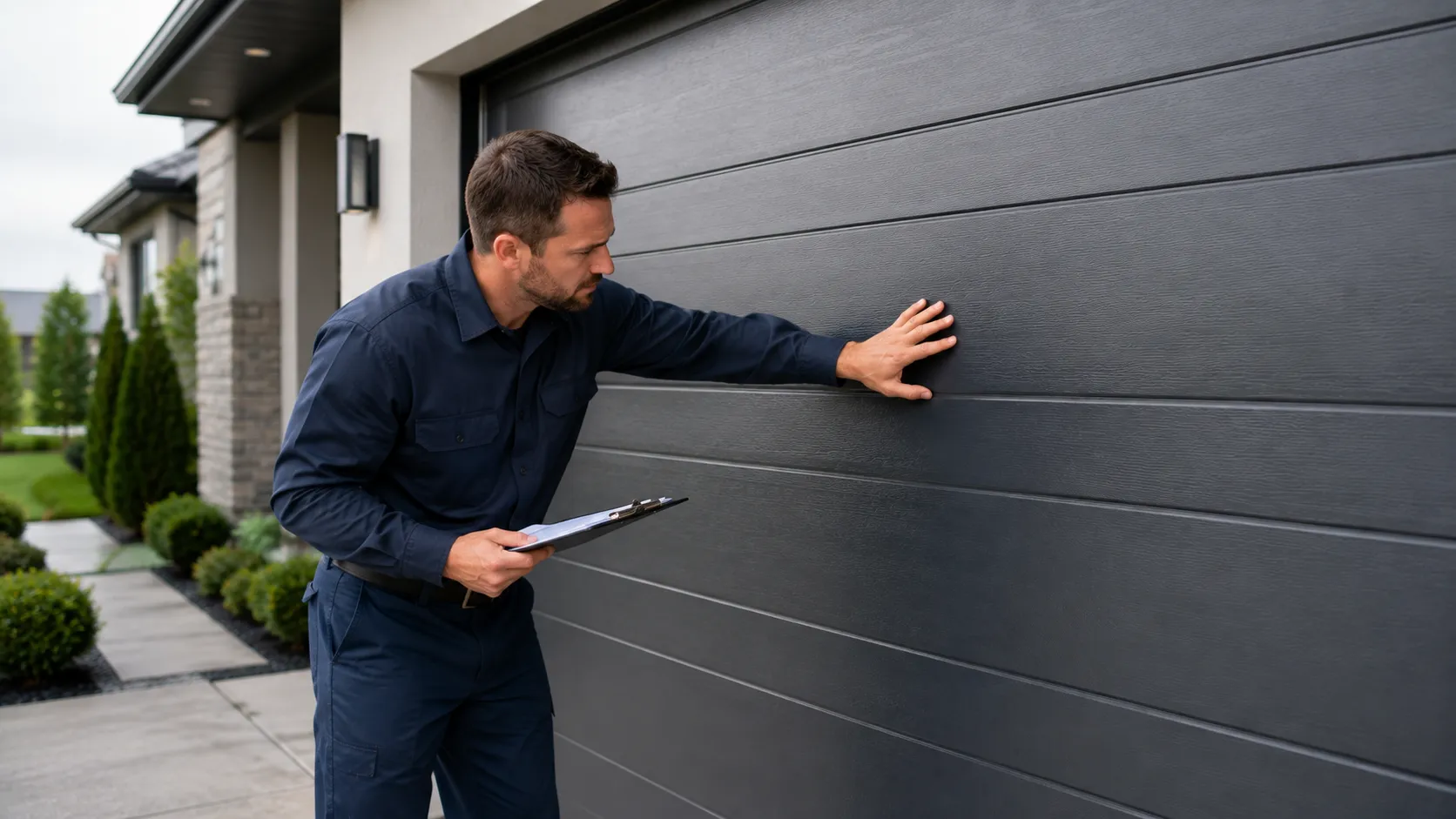
Liberty sits in a cold-moderate climate band, which means freeze-thaw cycling is the thing that actually wears hardware down here, more than heat. Steel tracks and hinges that go through repeated cold mornings followed by afternoon thaw develop corrosion at the fastener points faster than a warmer climate would produce. On a door built in the 1960s or 70s, the galvanized coating on track brackets has often thinned enough that this shows up as surface rust around bolt holes - not yet structural, but worth catching before a bracket works loose in a cold snap.
Weatherstripping on the bottom panel is the other piece: in a cold-moderate band it hardens and cracks over a shorter span than you'd expect, and once it's cracked, the vinyl doesn't reseal, it just lets more cold air and moisture into the garage. On a call, we're checking for that combination - rust migration at brackets, seal condition, and whether the spring tension has drifted because cold steel behaves differently than the manufacturer's summer calibration assumed.
When Waiting Is Fine
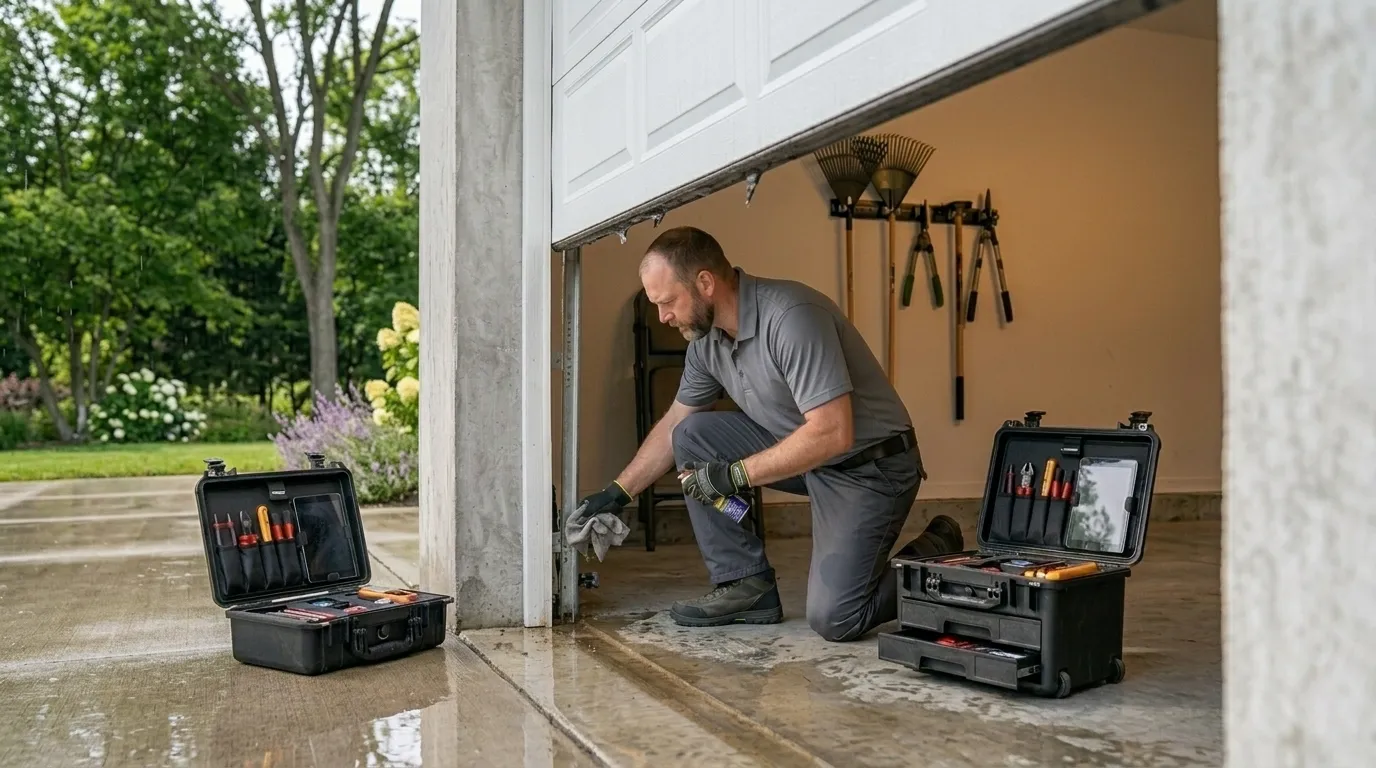
Not every noise is a call. A door that's noisy but still opens smooth on the track, with no visible fraying on the cable and no rust flaking off the spring coils, can usually wait for a scheduled visit rather than an emergency one. Lubricating hinges and rollers yourself with a light garage-door-specific grease, not household oil, buys time on a lot of the aging hardware still in service across this area's housing stock.
If your opener is straining but not failing - slow to close, occasional reversal for no clear reason - that's worth watching for a week or two before assuming the motor is done. One honest limit here: we don't chase intermittent electrical gremlins on a first visit if the symptom won't reproduce. It wastes your money and our time.
We'll tell you to log when it happens and call back once there's a pattern.
The Situation
Across the area we cover, there are 45,207 households and 22,929 owner-occupied houses, with median household income at $71,275. That's a market where most owners are weighing repair against replacement on a door that's already had one or two lives, not buying new construction hardware. We work out from Liberty toward Claycomo, Missouri City, Sugar Creek, Gladstone, Kearney, and the other towns within roughly a 20-mile ring, and the age profile of the door doesn't change much across that stretch - it's the same 1950s-through-2000s build wave with the same cold-moderate climate wear pattern.
What changes call to call is whether the owner wants a patch that gets another few winters out of original hardware, or a full swap because the torsion system is old enough that sourcing exact replacement cones has gotten hard. Both are reasonable calls. We tell you which one you're actually looking at before we start work, not after.
How We Can Help
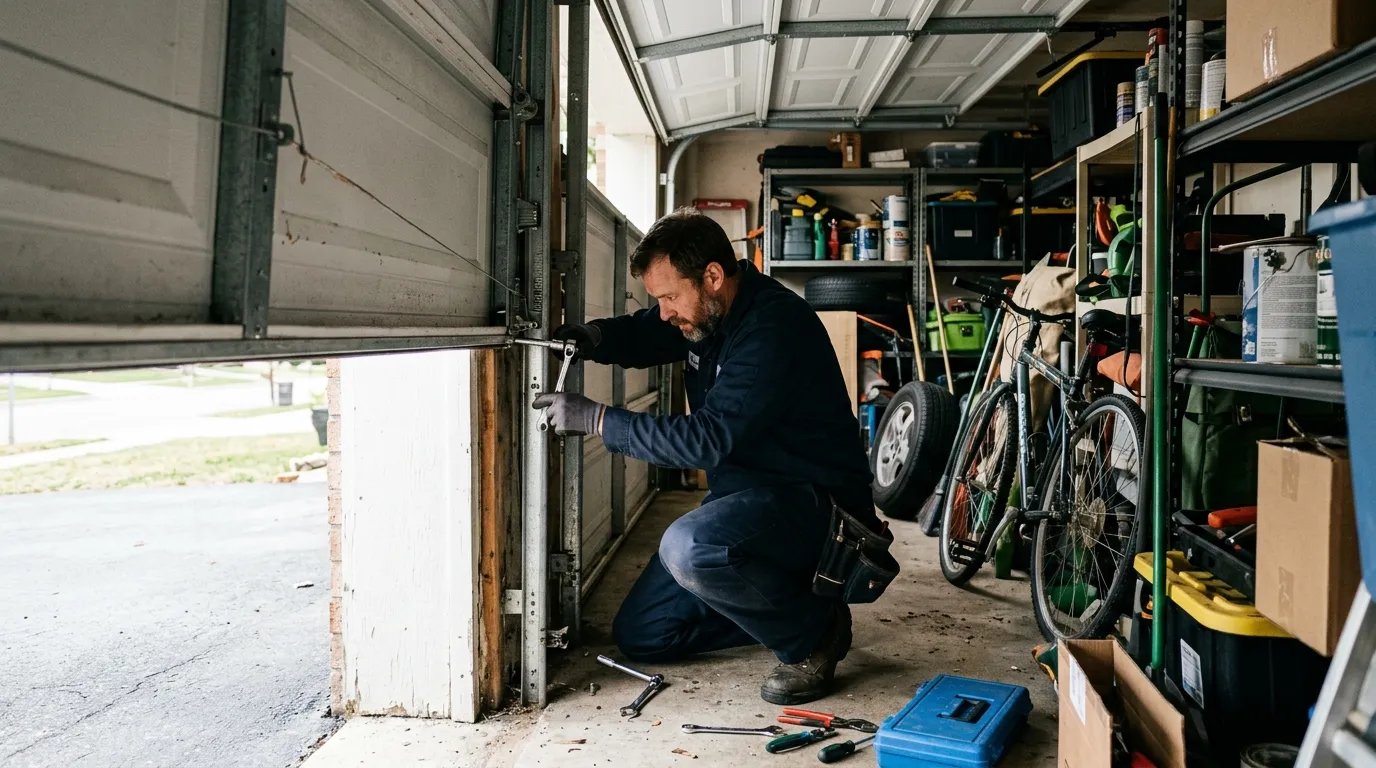
Garage Door Maintenance
Garage Door Maintenance handled by trained, insured local technicians with upfront pricing.
Learn more →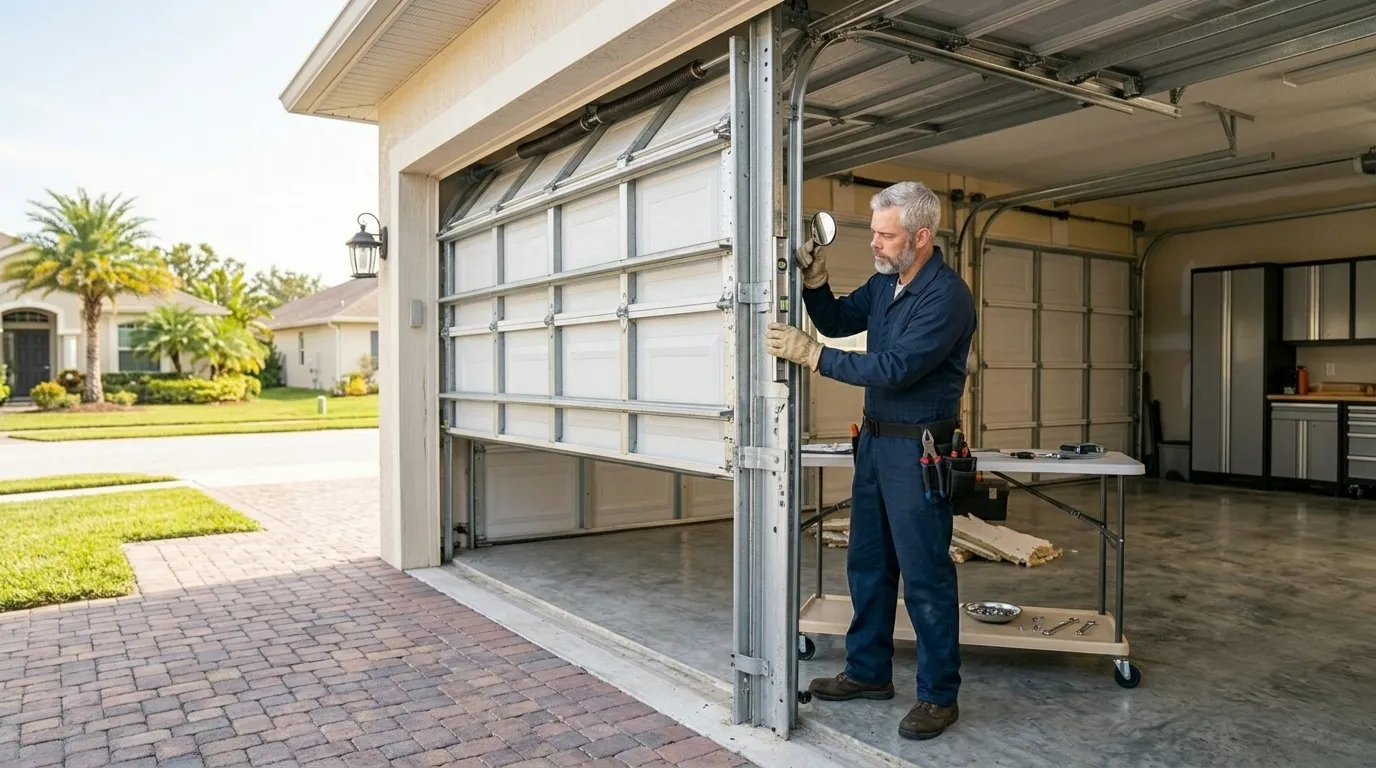
Garage Door Service
Tune-ups, lubrication, and safety checks that catch a small problem before it becomes a service call.
Learn more →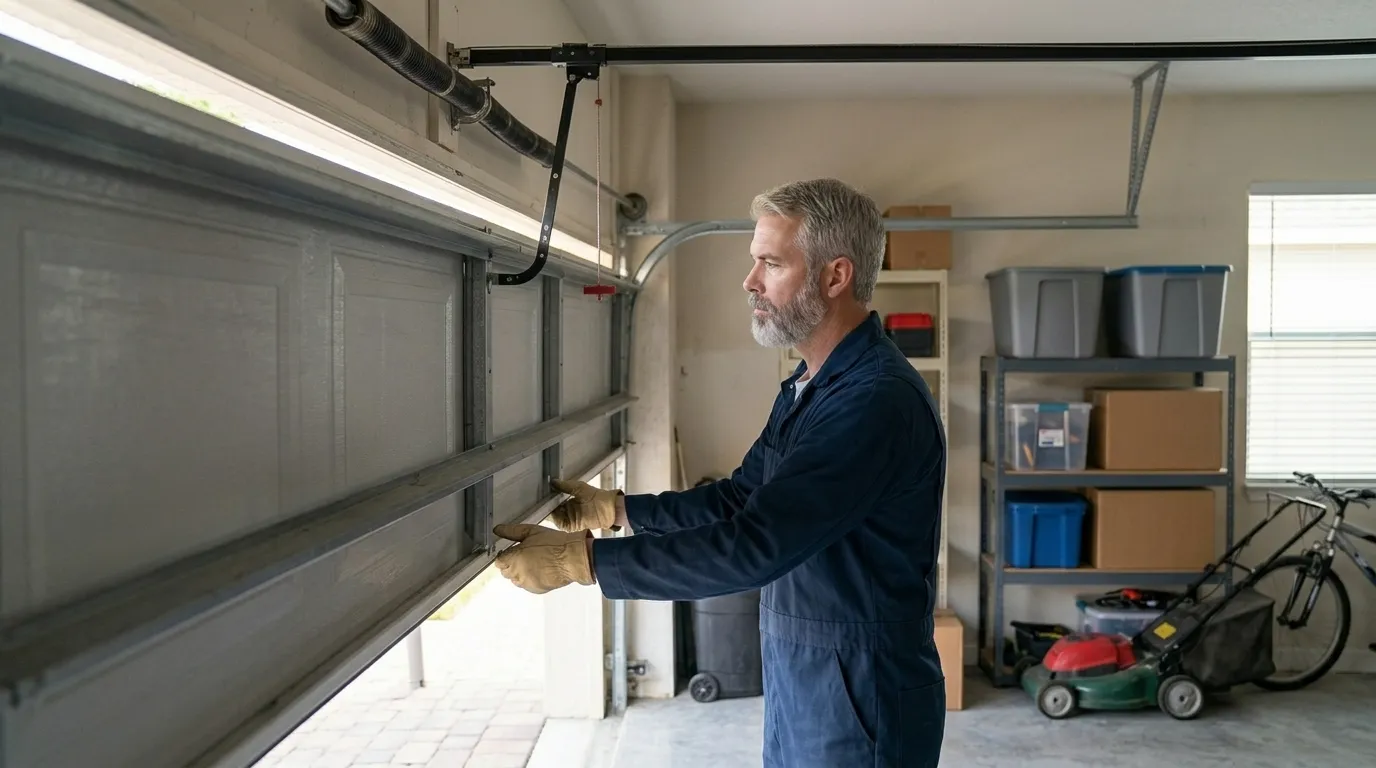
Garage Door Roller Replacement
Worn, noisy rollers swapped for smooth nylon ones so the door runs quiet.
Learn more →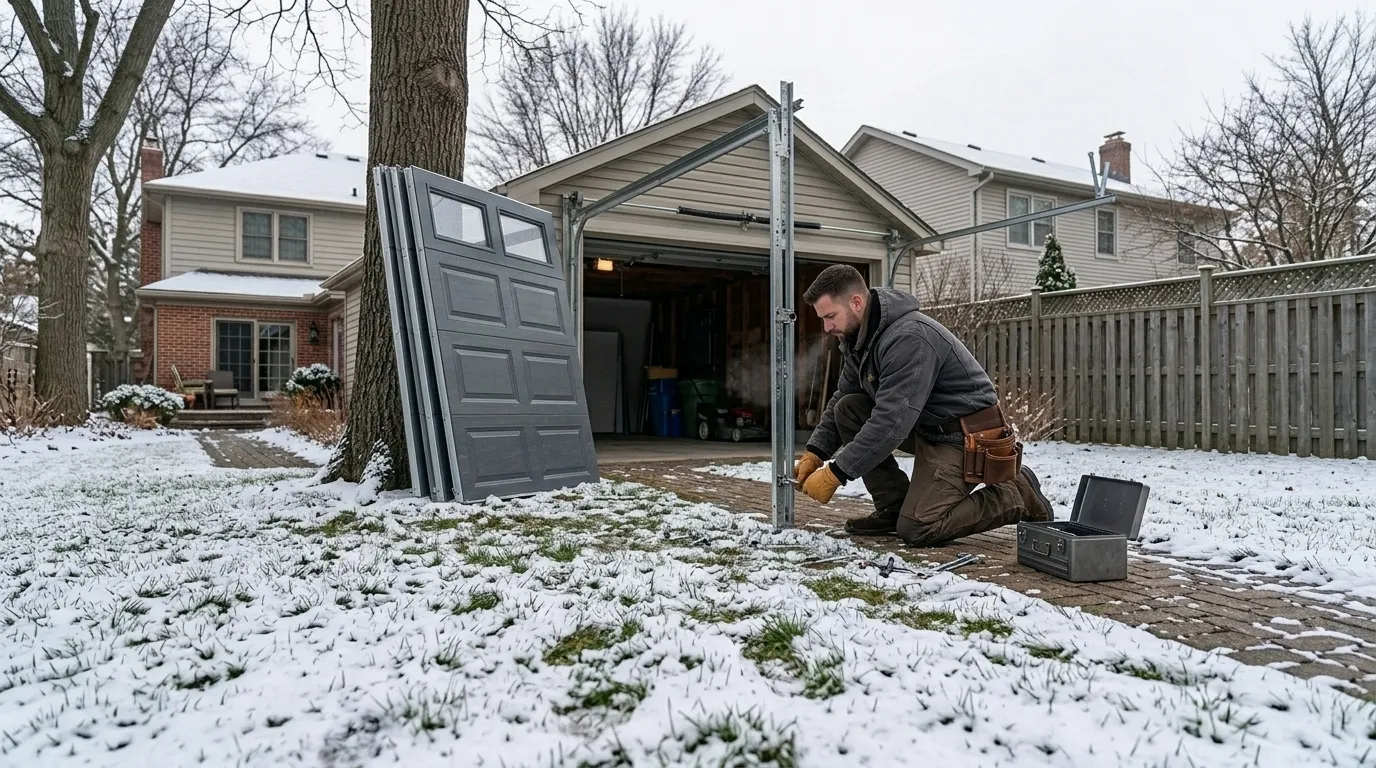
Garage Door Spring Repair
Broken torsion and extension springs replaced and the door rebalanced in the same visit.
Learn more →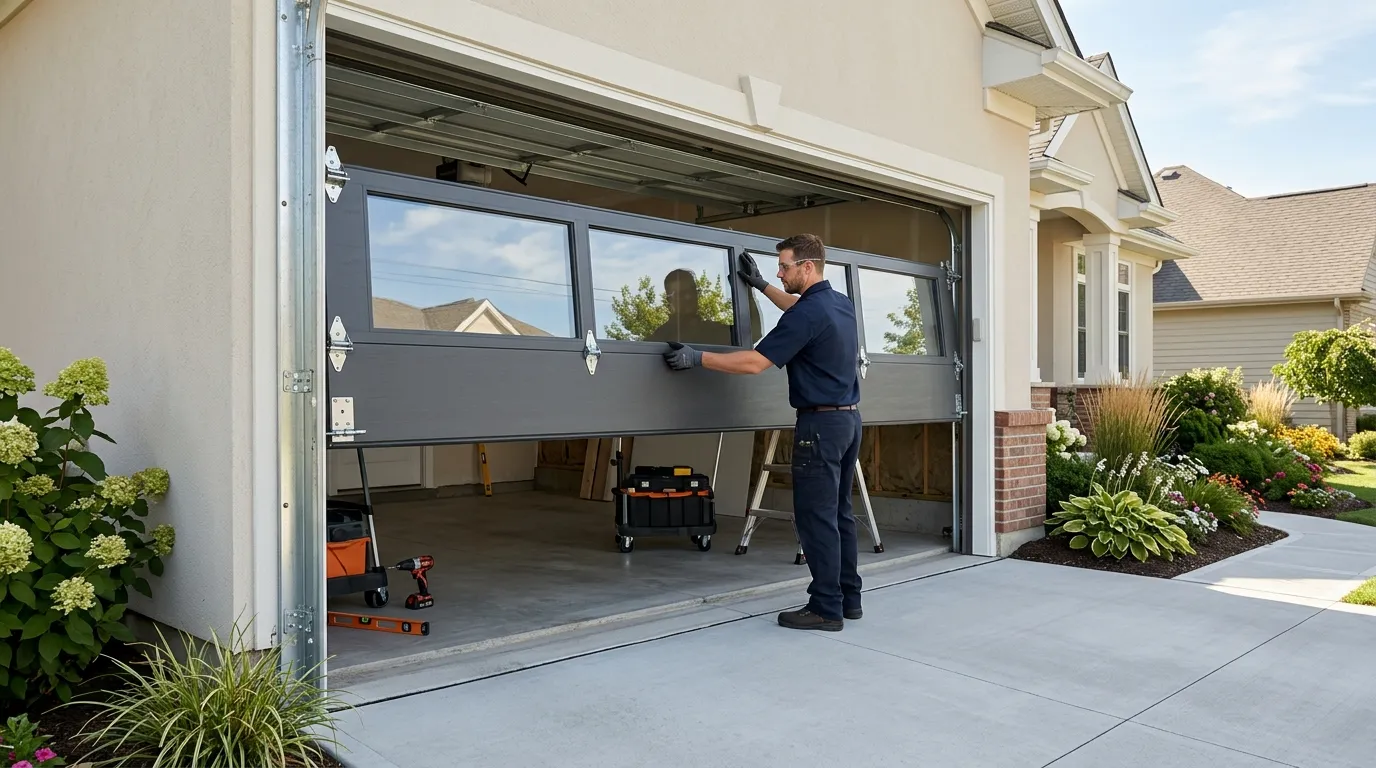
Garage Door Installation
New sectional doors sized and installed for the housing stock actually built in this area.
Learn more →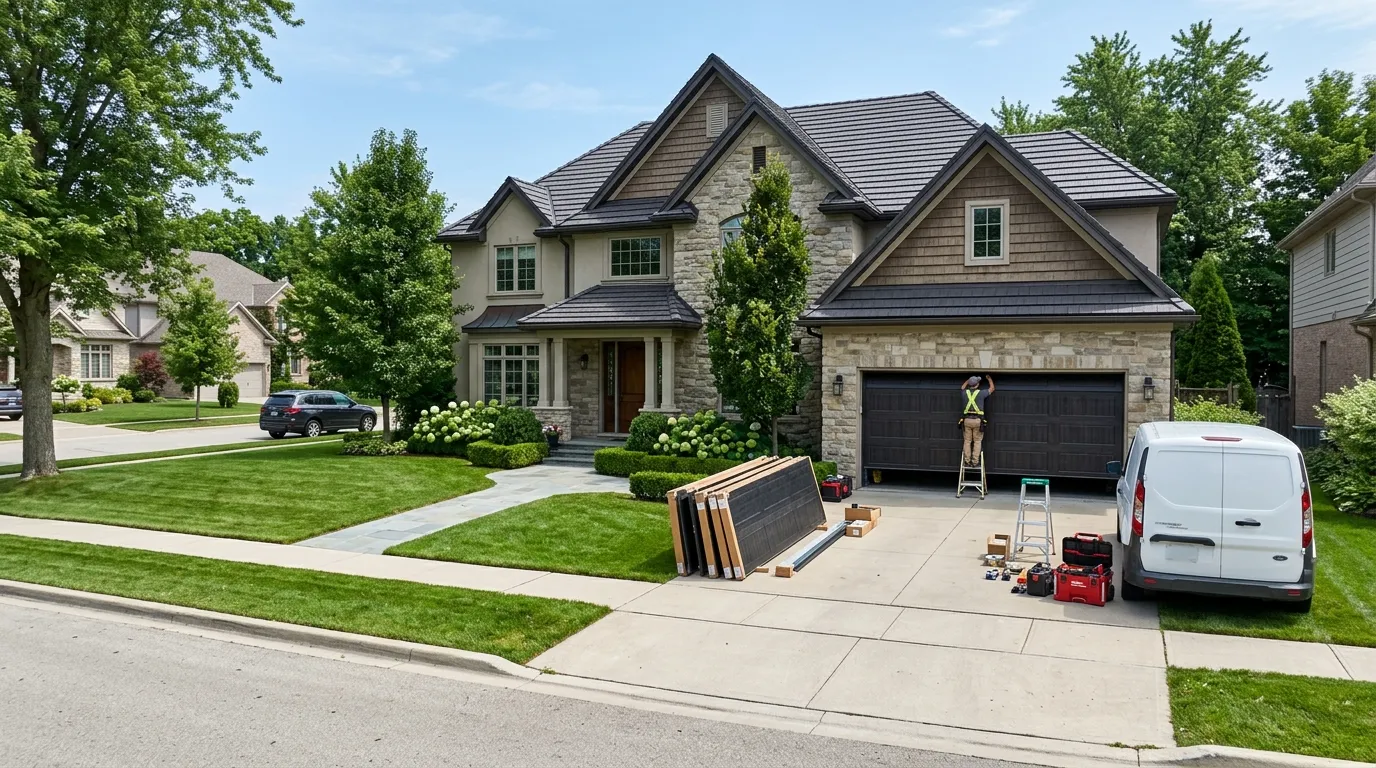
Garage Door Off Track
Doors that jumped the track reset safely, with rollers and alignment checked so it holds.
Learn more →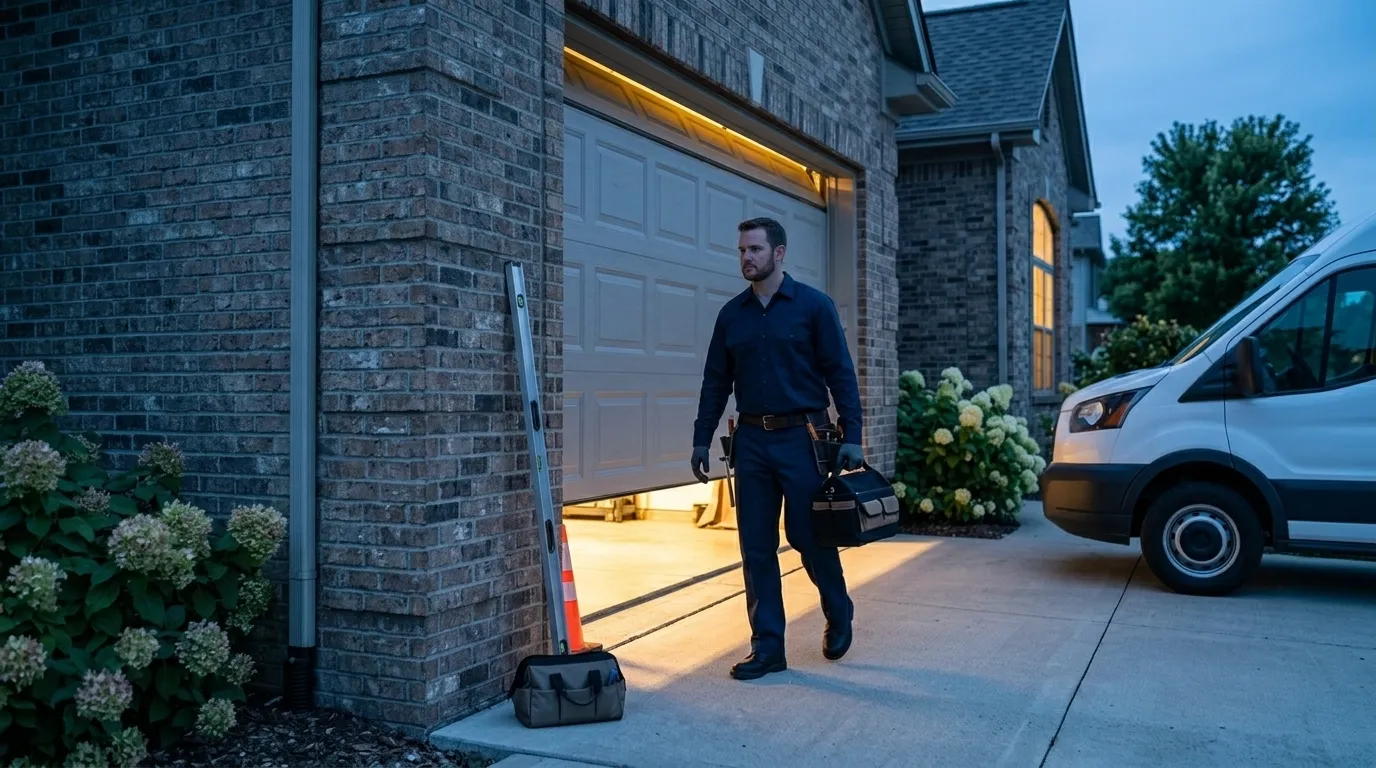
Garage Door Repair
Springs, cables, tracks, rollers, and openers fixed by a tech who explains the problem before touching anything.
Learn more →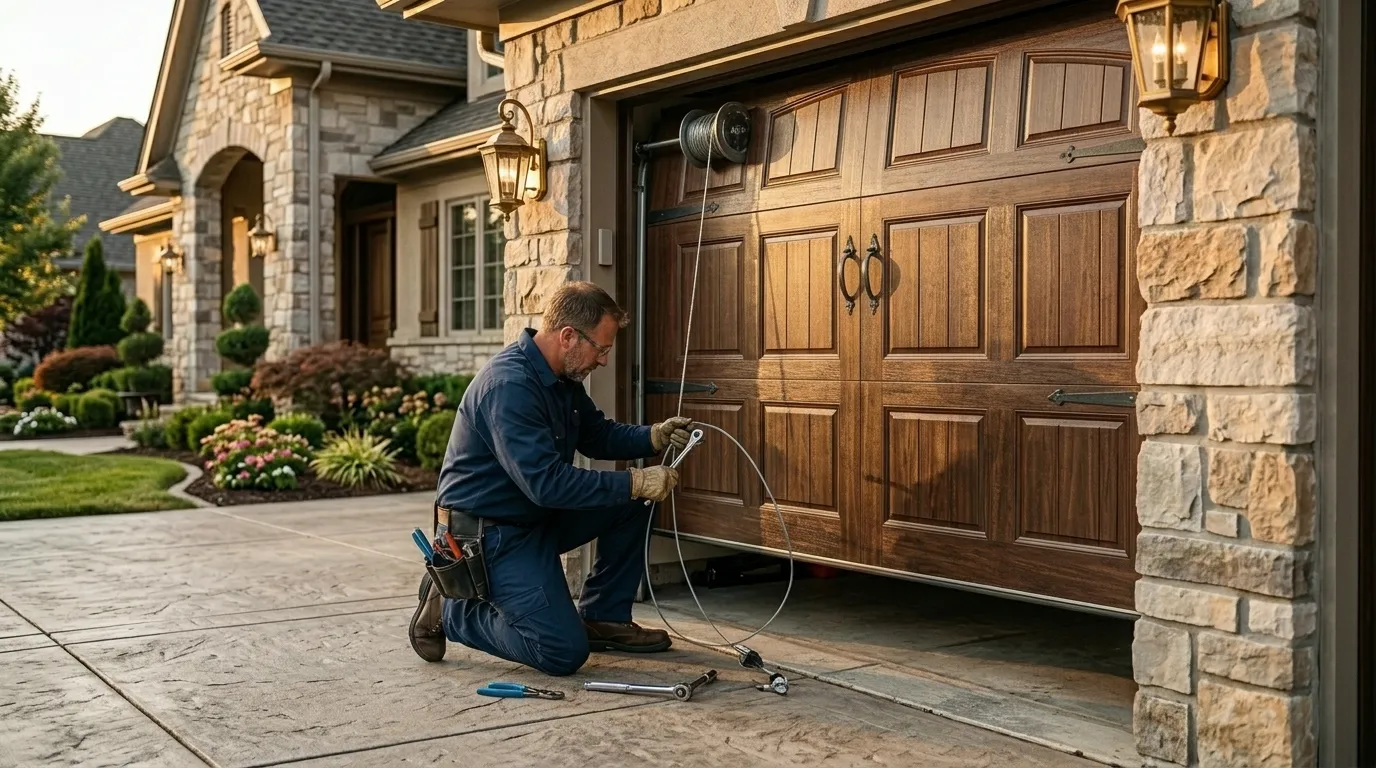
Garage Door Opener Repair
Openers that hum, stall, or reverse - diagnosed and fixed, from worn gears to logic boards.
Learn more →Frequently Asked Questions
How old is a typical garage door in Liberty likely to be
Housing in the service area runs 1951 to 2002 with a median build year of 1974, and most stock clusters in the 1960s-70s range. That means a large share of doors are either original hardware or a first-generation replacement, often with torsion spring sizing and bracket hardware that differs from what's sold today.
Does the cold weather here actually affect the door, or is that just marketing
It's real. Liberty sits in a cold-moderate climate band, and freeze-thaw cycling corrodes fastener points on steel tracks and hardens bottom weatherstripping faster than a milder climate would. On older hardware from the 1960s-70s wave common here, that shows up as bracket rust and cracked seals before anything else fails.
Is it ever fine to just wait on a repair
Yes. If the door still moves smoothly on the track, the cable isn't fraying, and the spring coils show no rust flaking, it can usually wait for a scheduled visit. We'd rather tell you to wait and lubricate the hardware than run an unnecessary emergency call.
Have a Door That Needs a Second Opinion?
Call and describe what it is doing - we will tell you what it likely is.