
Liberty Garage Door Co
Garage Door Repair Built Around Liberty's Housing Stock
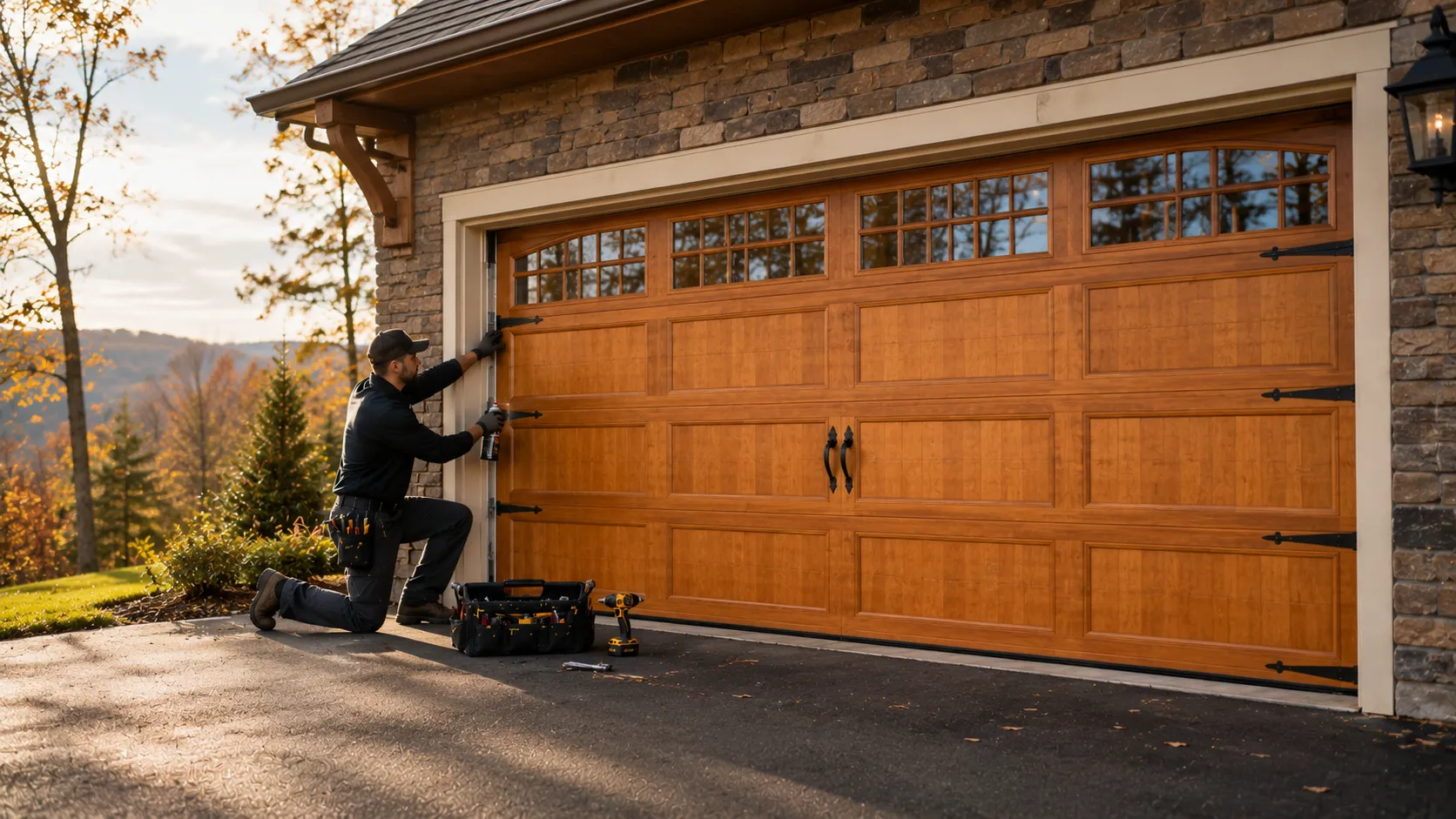
Liberty Garage Door Co repairs and replaces doors on the 1951-2002 housing stock across Liberty, MO and nearby Claycomo, Gladstone, and Kearney.
- Licensed & Insured
- Same-Area Service Calls
- Upfront Pricing
How We Can Help
Garage Door Maintenance
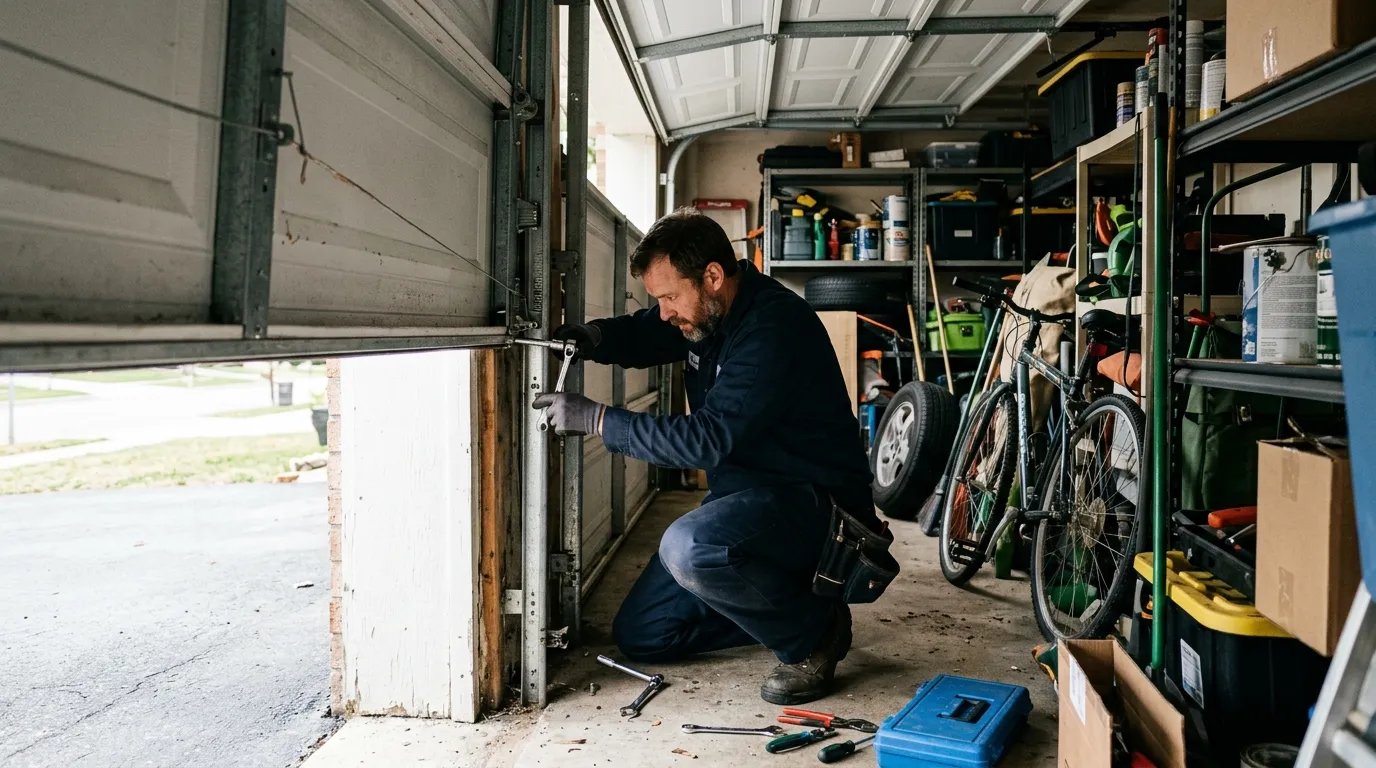
Garage Door Maintenance handled by trained, insured local technicians with upfront pricing.
Learn more →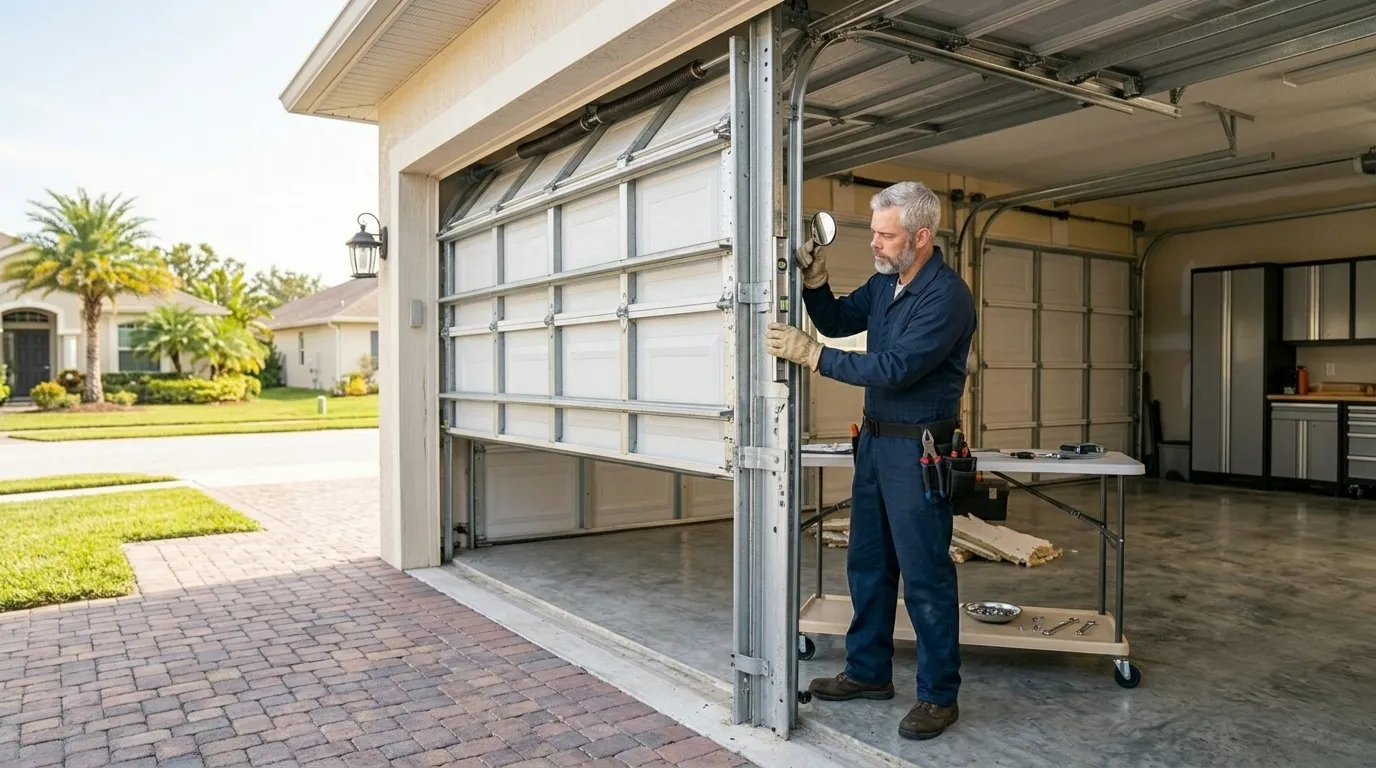
Garage Door Service
Tune-ups, lubrication, and safety checks that catch a small problem before it becomes a service call.
Learn more →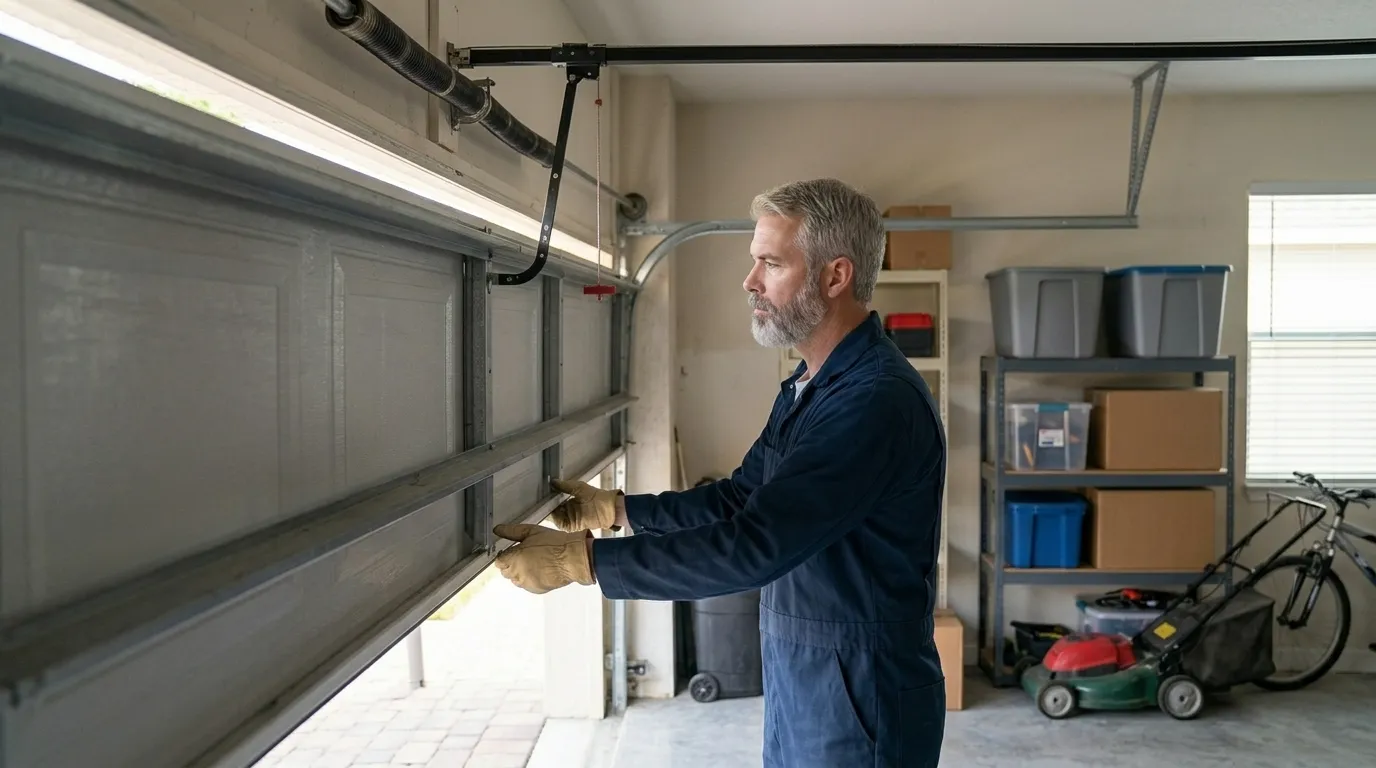
Garage Door Roller Replacement
Worn, noisy rollers swapped for smooth nylon ones so the door runs quiet.
Learn more →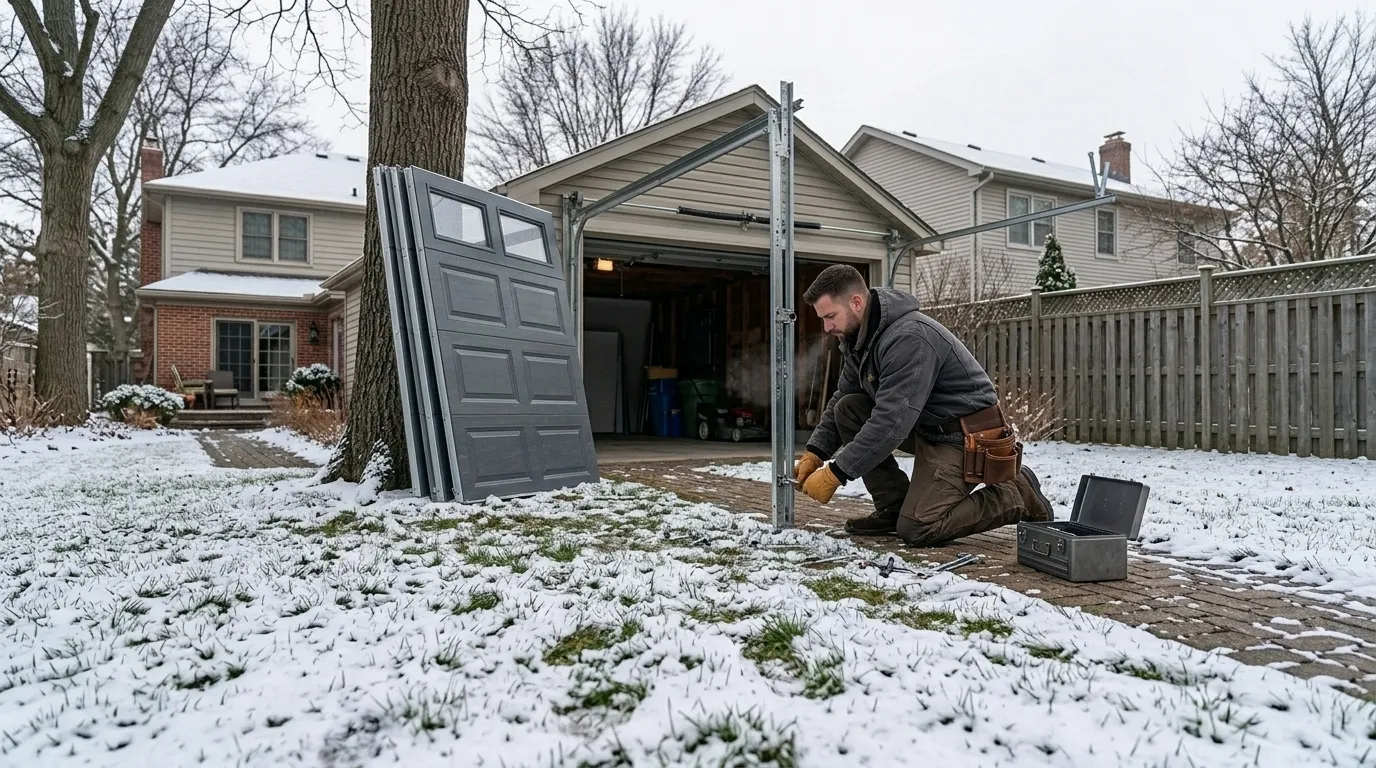
Garage Door Spring Repair
Broken torsion and extension springs replaced and the door rebalanced in the same visit.
Learn more →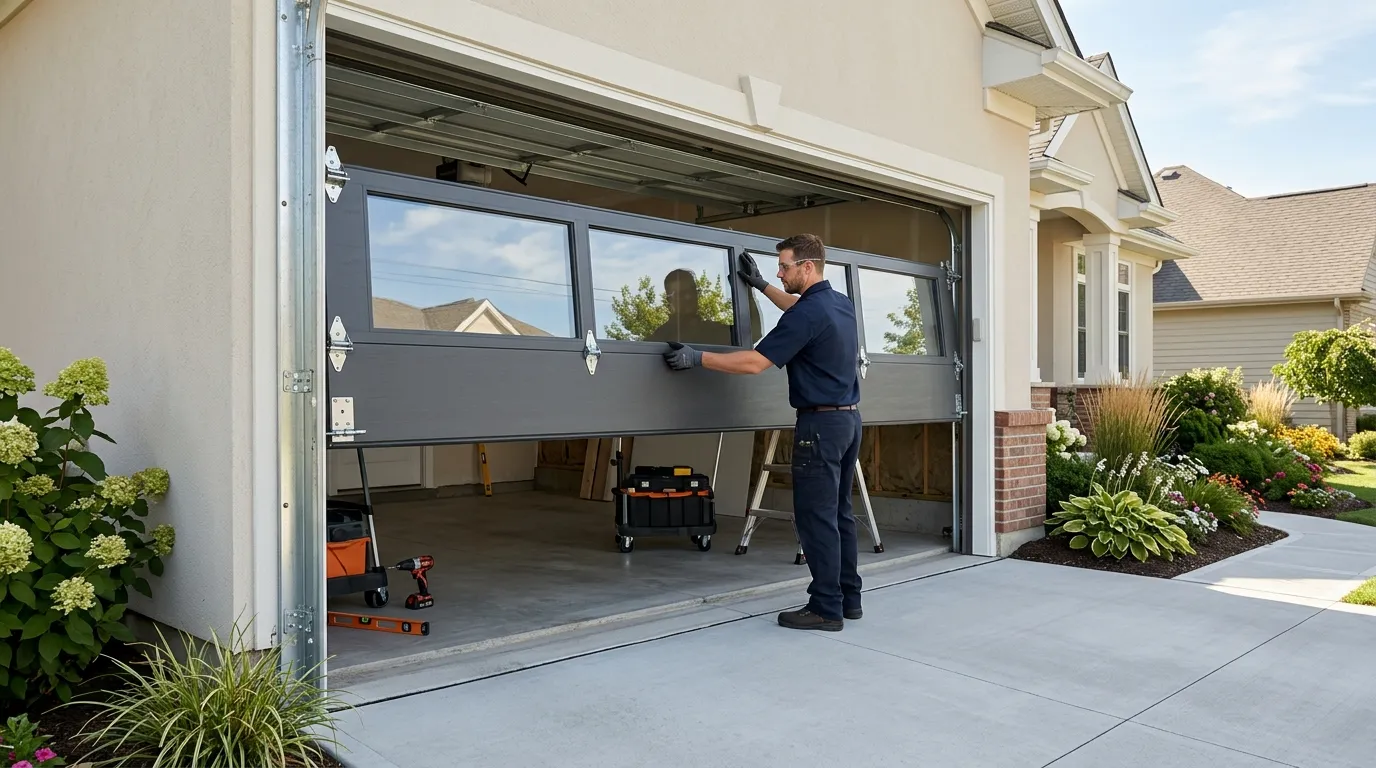
Garage Door Installation
New sectional doors sized and installed for the housing stock actually built in this area.
Learn more →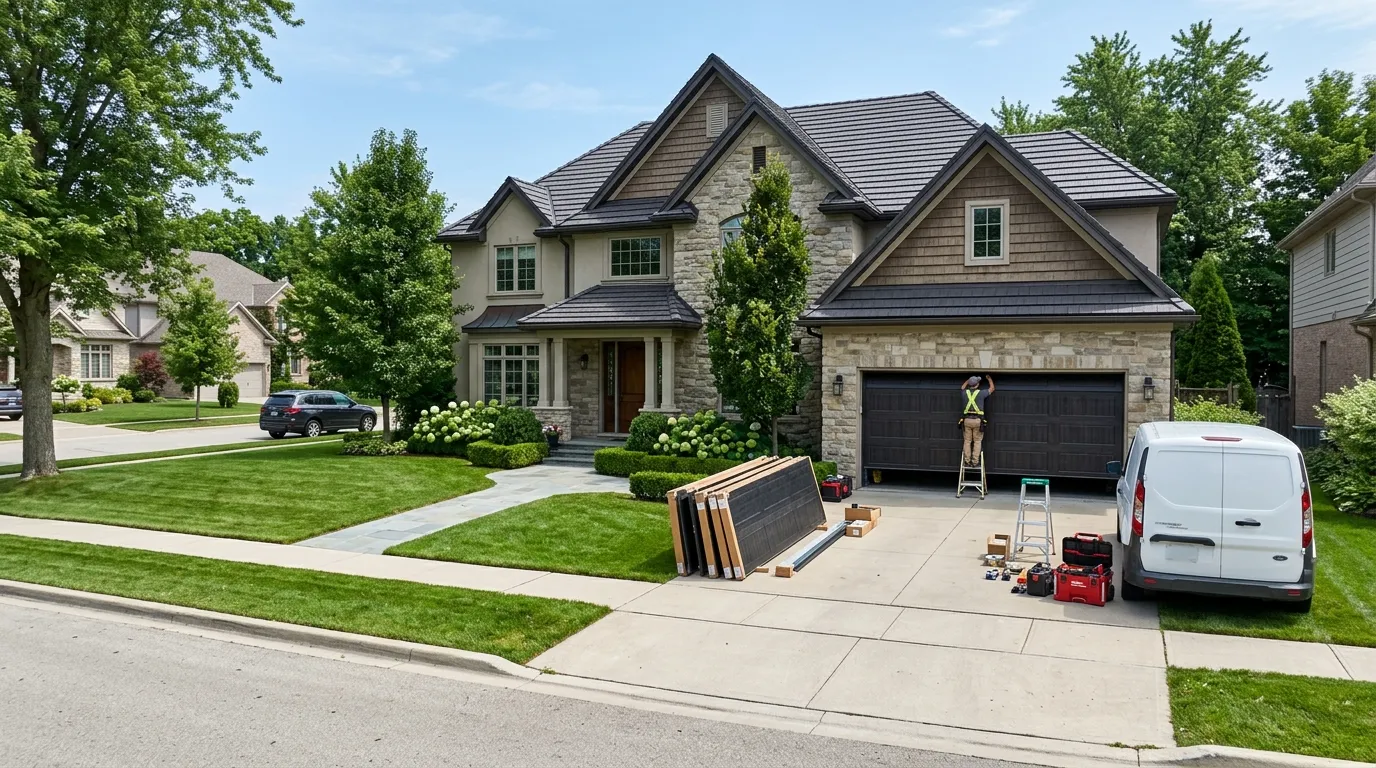
Garage Door Off Track
Doors that jumped the track reset safely, with rollers and alignment checked so it holds.
Learn more →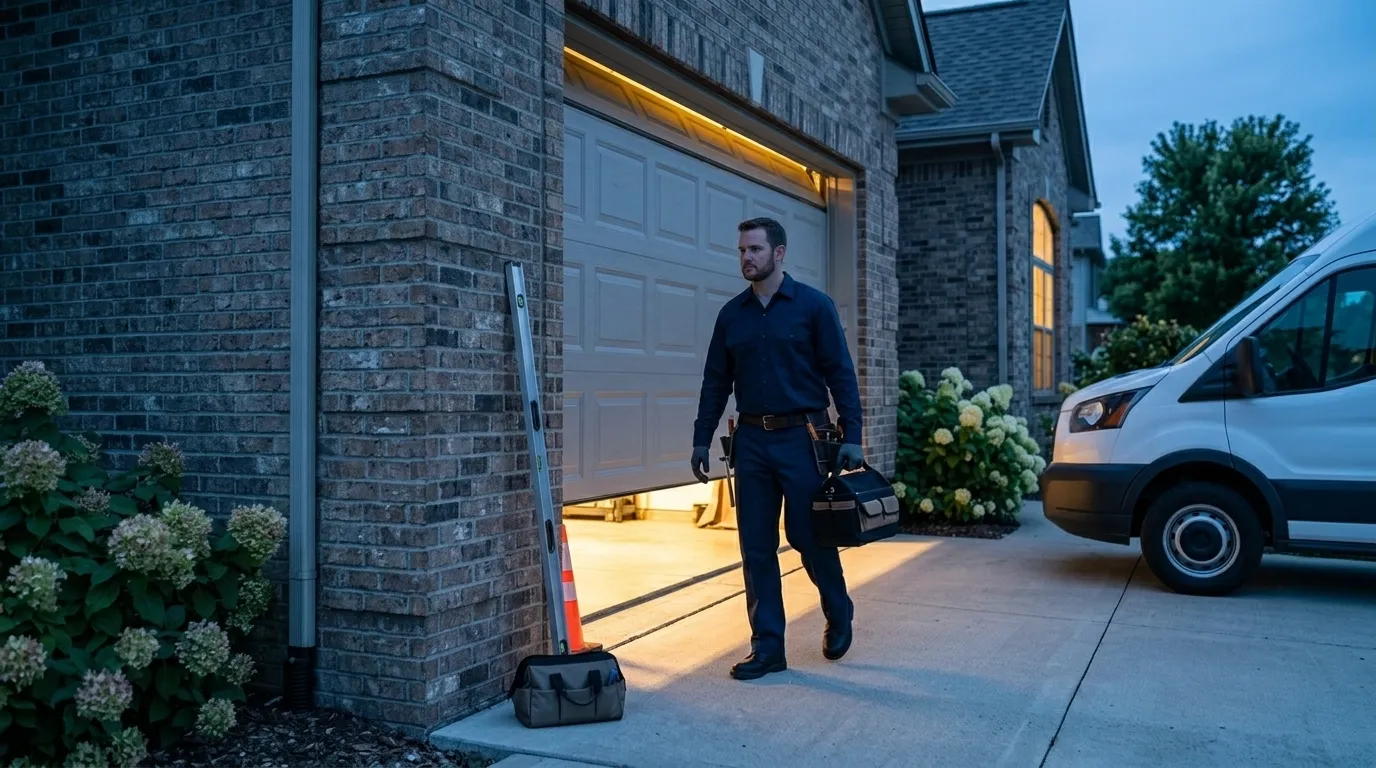
Garage Door Repair
Springs, cables, tracks, rollers, and openers fixed by a tech who explains the problem before touching anything.
Learn more →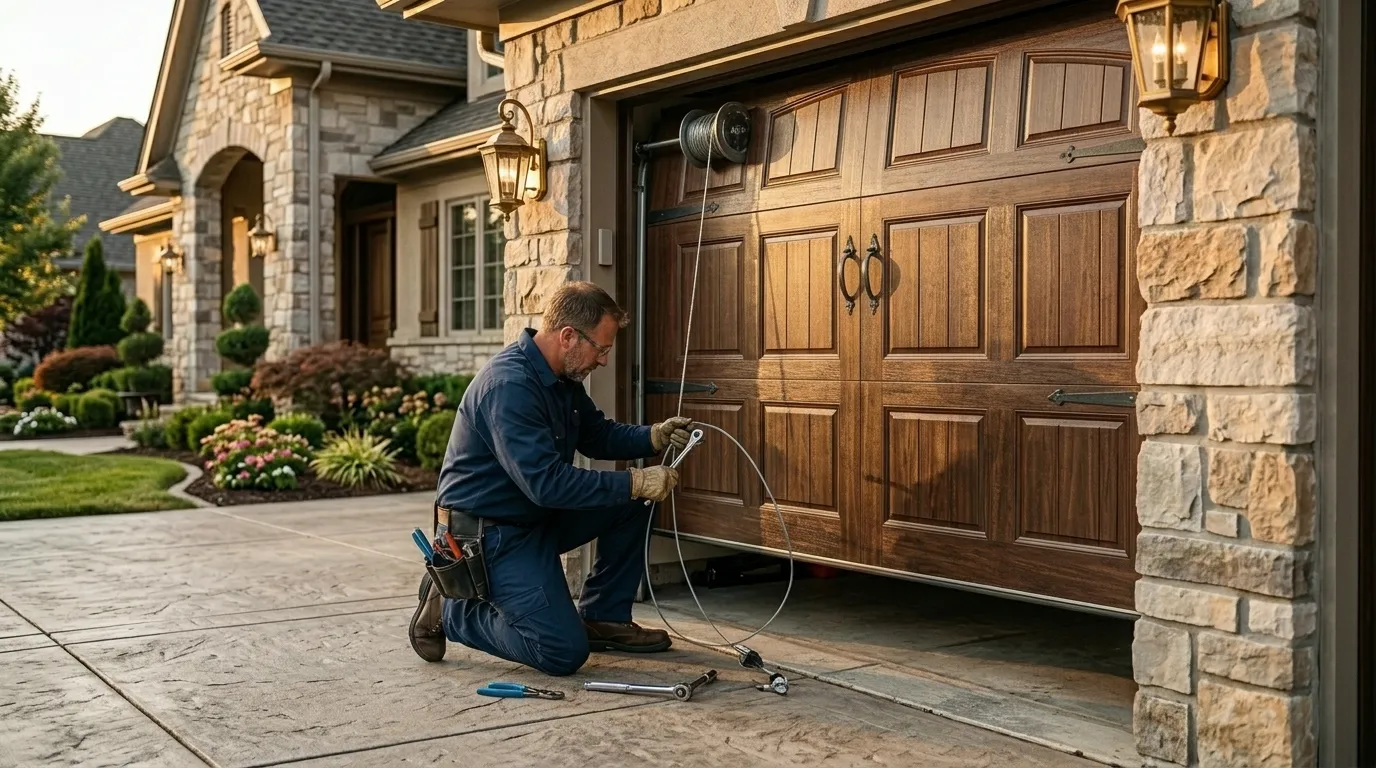
Garage Door Opener Repair
Openers that hum, stall, or reverse - diagnosed and fixed, from worn gears to logic boards.
Learn more →Why Liberty Calls Us
Local facts, not a franchise script.
What Happens When You Call
-
1
Call or Request a Quote
Tell us what the door is doing and roughly how old the house is - that alone points us toward the likely part before a truck leaves.
-
2
On-Site Diagnosis
A tech checks the spring, cables, tracks, and opener in person and tells you plainly what is actually wrong.
-
3
Straight Price, No Surprises
You get a number before any work starts. It covers parts and labor, nothing added after the fact.
-
4
Fixed the Same Visit
Most repairs are done in one trip. If a part needs sourcing, we tell you that upfront instead of guessing.
The Housing Stock Here
Most of the houses we work on in Liberty went up between 1951 and 2002, with the median build year sitting around 1974. That means a lot of the doors and openers we see are original or close to it - steel sectional doors from the 60s and 70s on extension spring setups, or early torsion conversions from the 80s and 90s. Across the twenty or so named areas we cover, the pattern holds: ranch and split-level garages built during that long postwar stretch, attached two-car bays with the opener mounted on a joist that's seen forty years of Missouri winters.
If your house was built in that window, chances are your track hardware, hinges, and rollers are original equipment, not something a big-box replacement part was designed to match. That's the job we actually show up to most: matching new parts to old bores and old spacing, not swapping in a generic kit and hoping it fits. Newer builds exist too, especially toward the edges of the service area, but the bulk of the calls we take come from doors installed before anyone reading this owned the house.
What Breaks Around Here
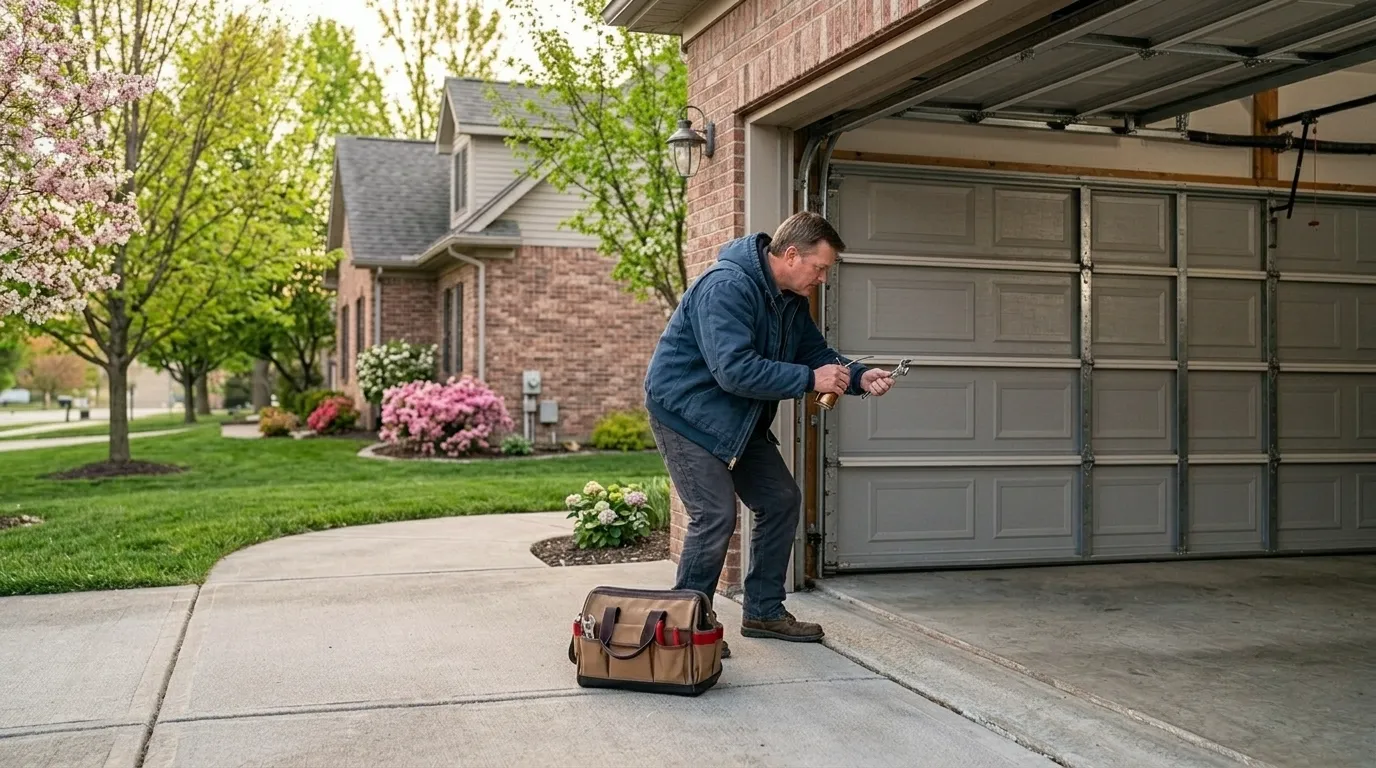
Cold-climate swings do real work on a garage door in this part of Missouri. Steel contracts in a hard freeze and expands again a few days later when it warms up, and that cycle is what snaps torsion springs, cracks bottom-panel seals, and loosens the lag screws holding your track brackets to a jamb that's had forty-plus winters to move. On the older housing stock we described above, we see a lot of frayed extension cables that were never upgraded to torsion, worn rollers that were never sealed bearings, and openers original to the house that finally give up on the circuit board.
None of that is exotic. It's ordinary wear, accelerated by a moderate-cold climate that doesn't let a door sit at one temperature for long. We also see plenty of broken springs from people trying to force a door that's already binding on a bent track - the spring wasn't the first problem, it was the last one.
If your door's been groaning, sagging on one side, or reversing on its own, that's usually a hardware issue upstream of the part that finally failed.
When Replacement Wins
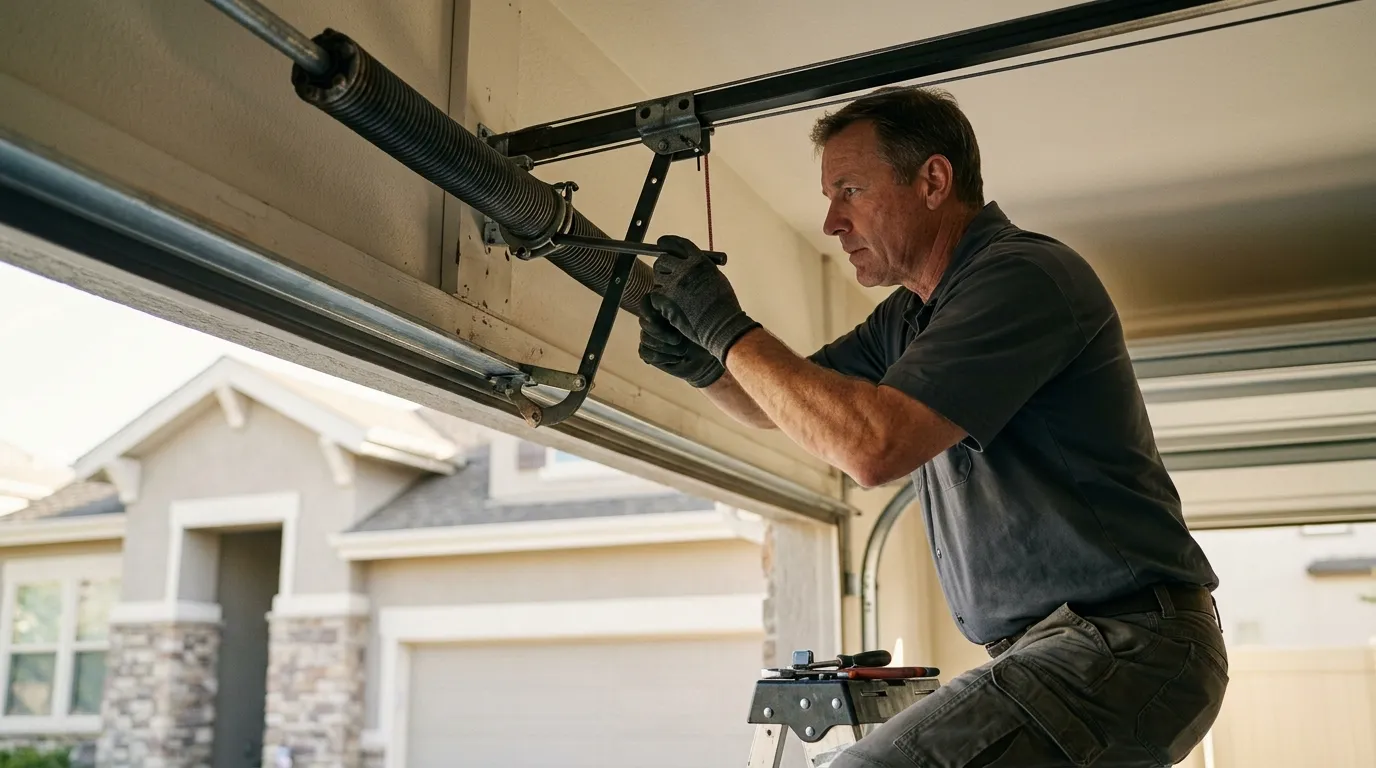
We don't push replacement on a door that can still be fixed - a repair that gets you another five or ten years out of a working panel is the right call more often than not. But on a lot of the 1970s-era doors we've been describing, replacement wins once the panels themselves are the problem: rust-through at the bottom section, wood-composite doors from that era that have delaminated, or a single-layer steel door with no insulation in a house where the garage shares a wall with living space. At that point you're not fixing a part, you're patching a door that's going to keep failing.
We'll tell you straight when we think a repair is the better spend, and we'll tell you straight when it isn't - a new torsion spring on a door with a rotted bottom panel is money spent on the wrong problem. One limitation worth saying plainly: we don't stock every legacy panel style, and matching an exact discontinued color or panel profile on an older door sometimes means a longer wait on the part than the repair itself takes.
What It Costs and Why
We're not going to quote a number here that doesn't hold up once we're standing in your driveway - every door's a different age, a different spring count, a different opener generation. What we can tell you is what drives the cost up or down. A single torsion spring swap on a door built in the era common around here is a different job than replacing a pair on a heavier insulated door, and an opener replacement costs more when the old unit's wiring or wall bracket doesn't match anything currently made.
Median household income across the area sits around $71,275, and most of the households we quote for are owner-occupied houses making a repair-versus-replace call on a door that's outlived its original opener. We price the job in front of you before we touch anything, not after. If a part needs to be special-ordered for an older panel size, we'll say so up front instead of surprising you on a second visit.
How the Visit Works
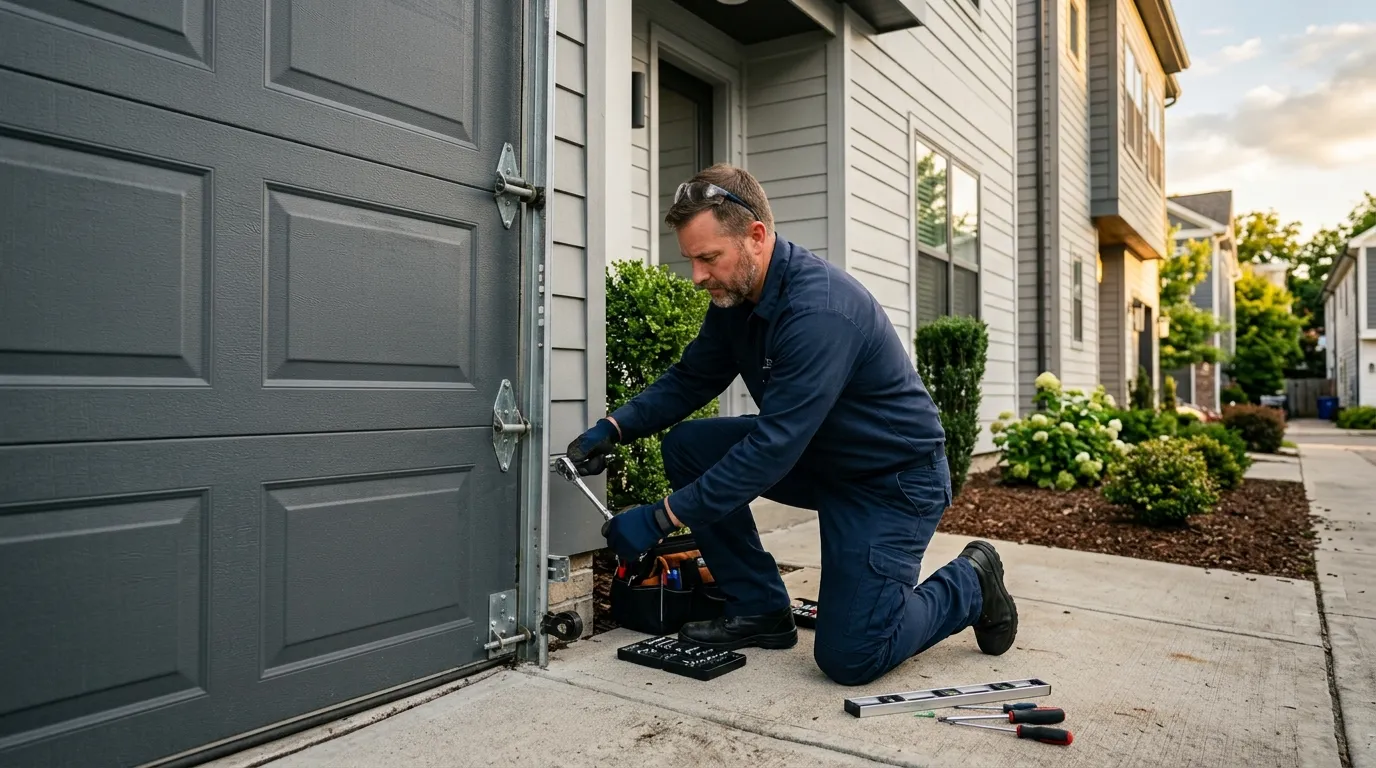
We come out, look at the door with the panel off if needed, and tell you what's actually wrong before we talk about fixing anything. On a house with original hardware from the 60s or 70s, that often means checking the track alignment first, since a spring failure is frequently a symptom of a bent rail rather than a spring that simply wore out. We carry common spring sizes and roller types on the truck for the housing stock that's typical in this area, so a straightforward torsion spring or cable job is usually done same visit.
If a part has to be ordered - an odd-size panel, a discontinued opener board - we'll tell you the wait before you commit to anything. We work Liberty and the surrounding towns within about a twenty-mile stretch, from Claycomo and Missouri City close in out to Smithville, Platte City, and Grain Valley further out, so if you're near any of those, the same crew and the same approach to diagnosing before quoting applies.
Recent Work Around Liberty
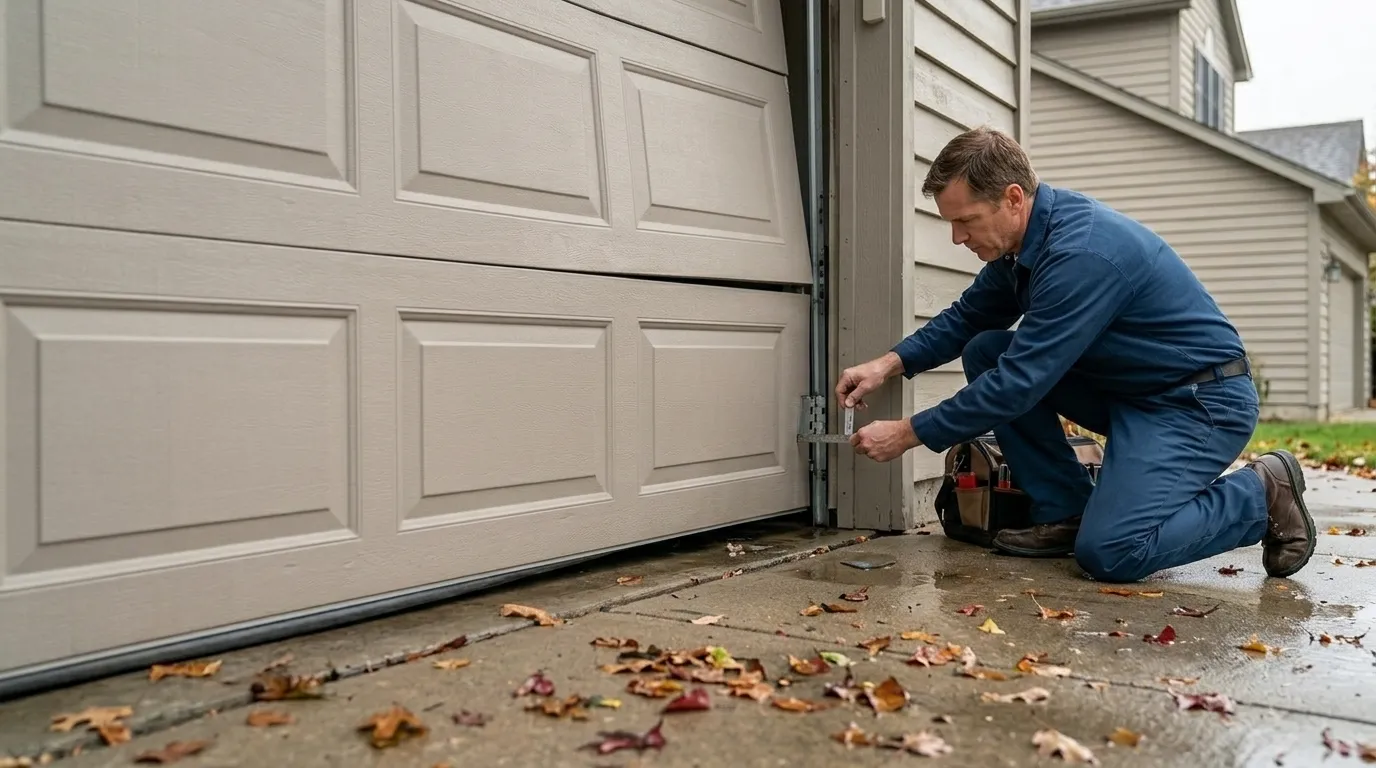
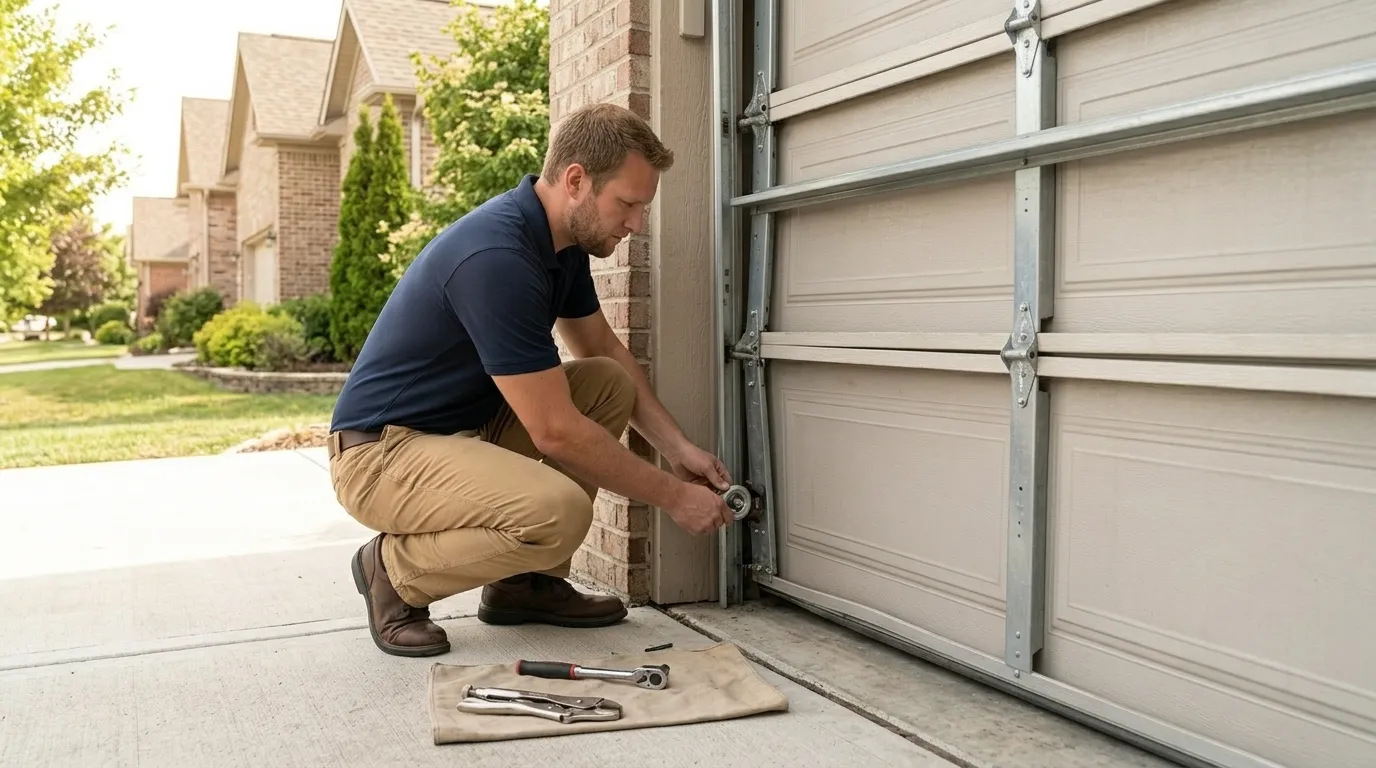
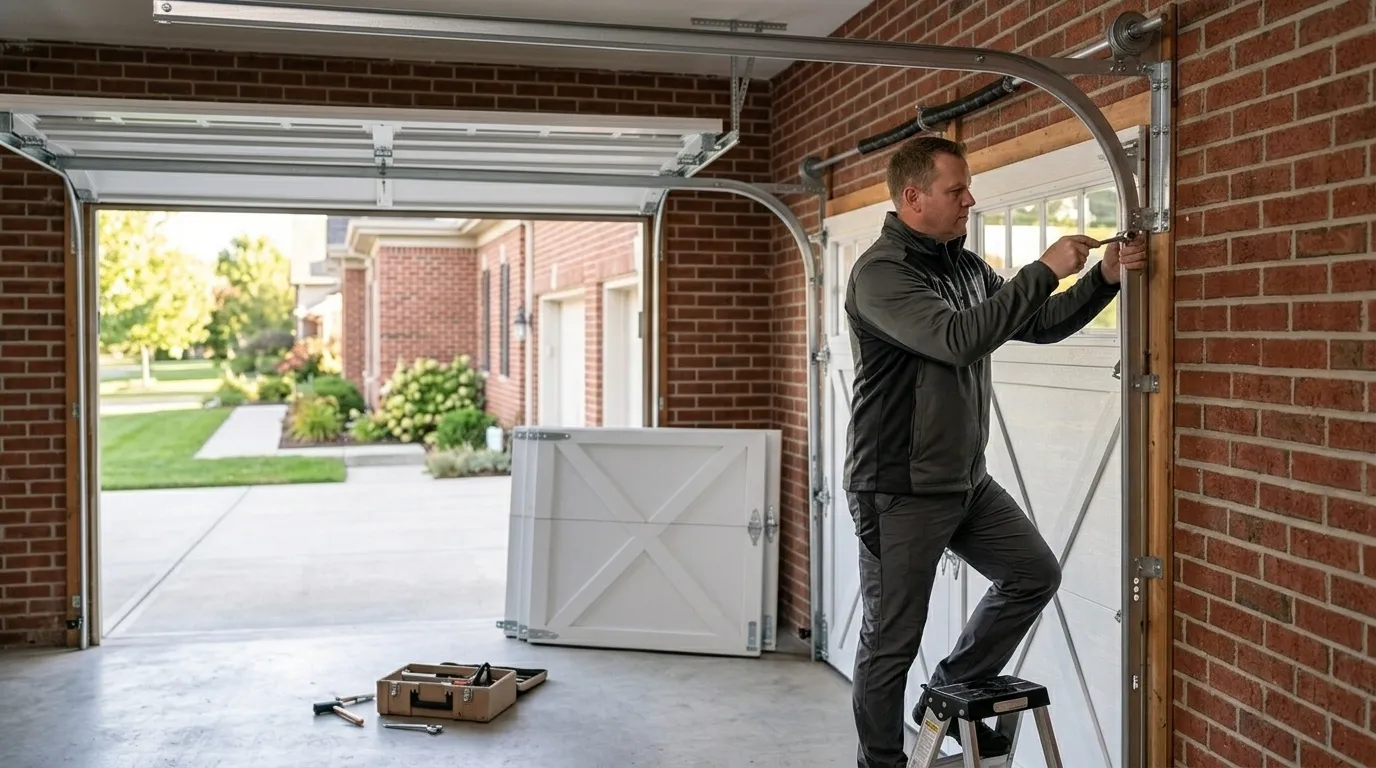
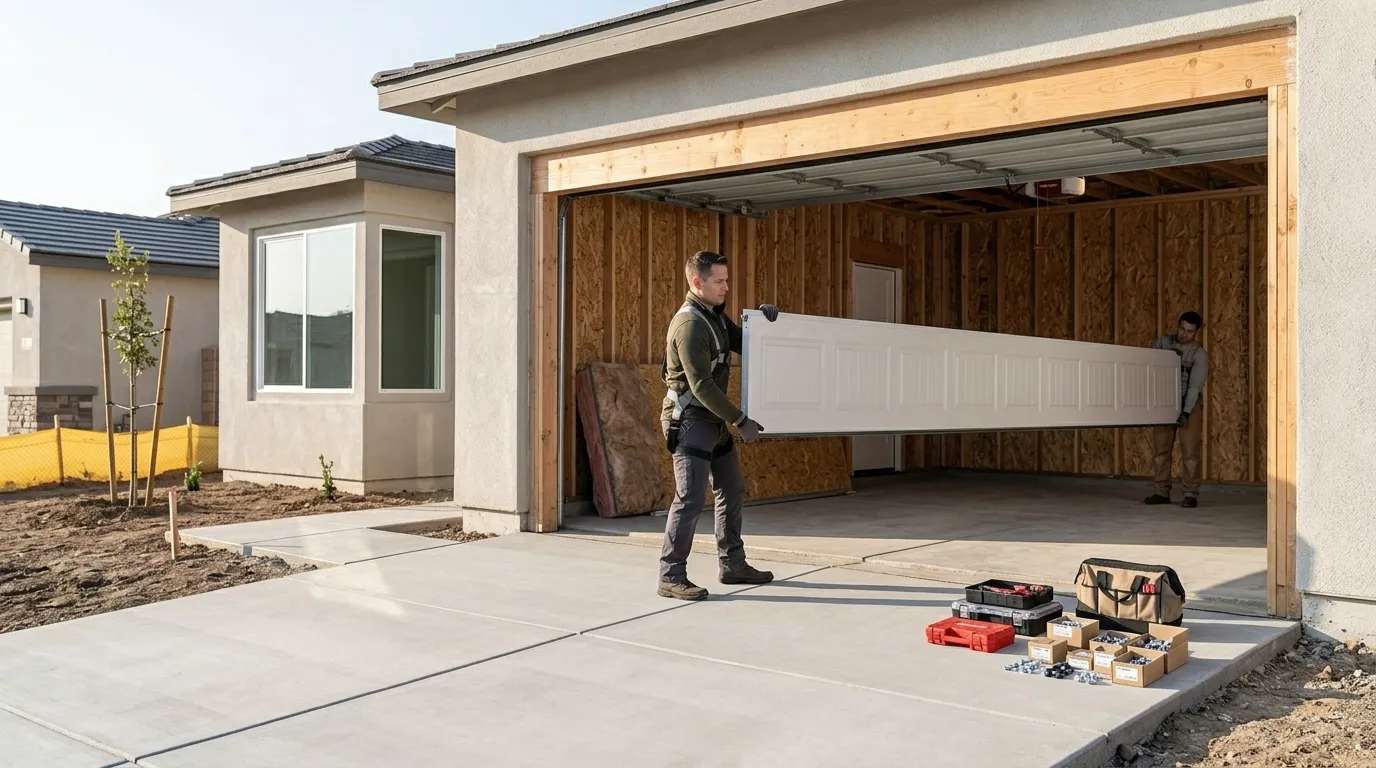
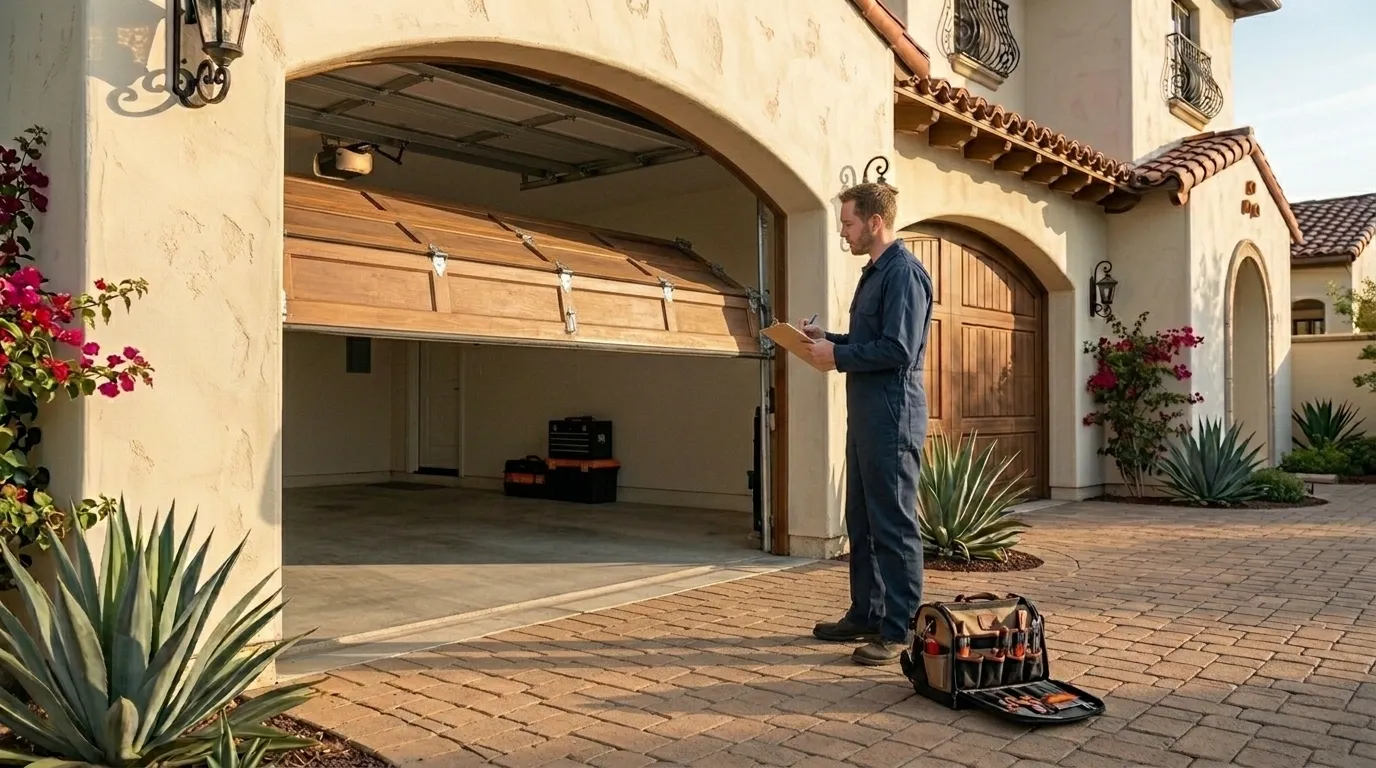
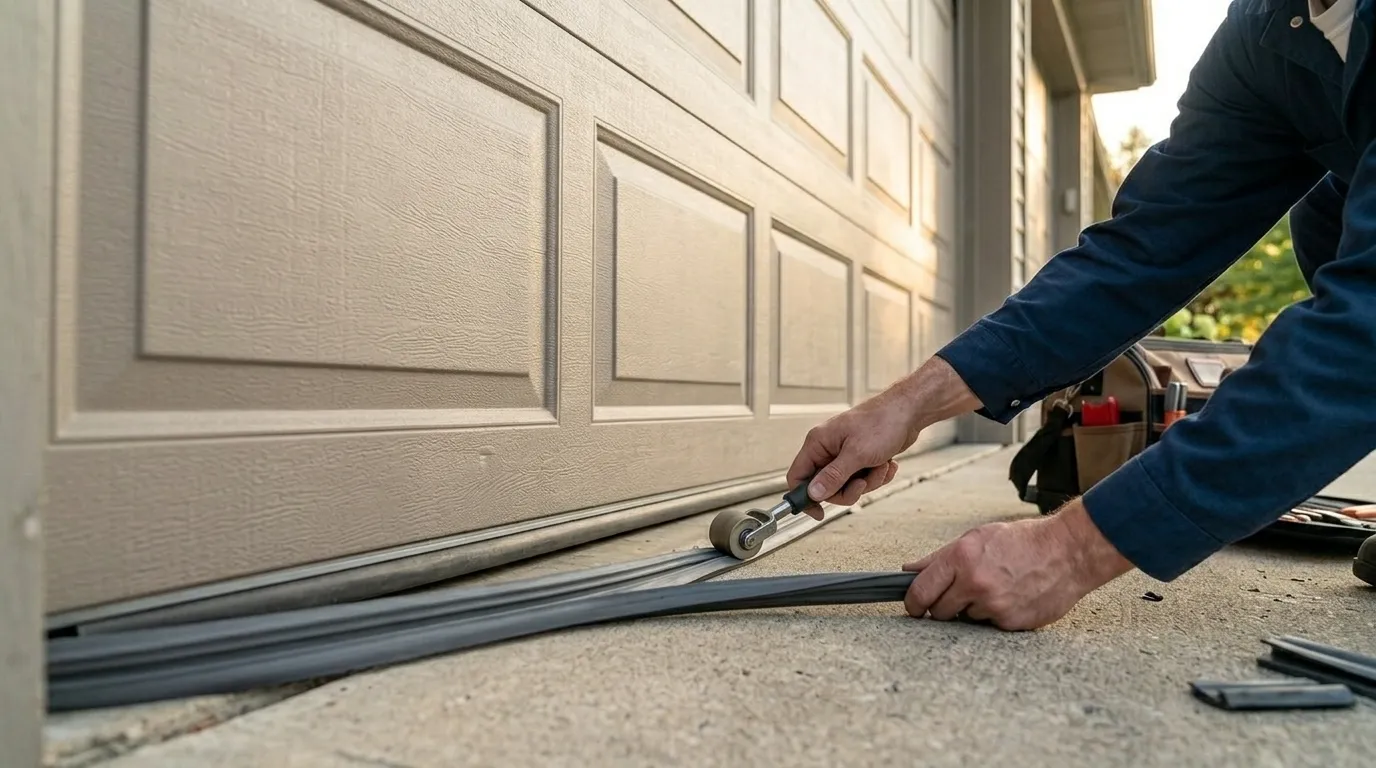
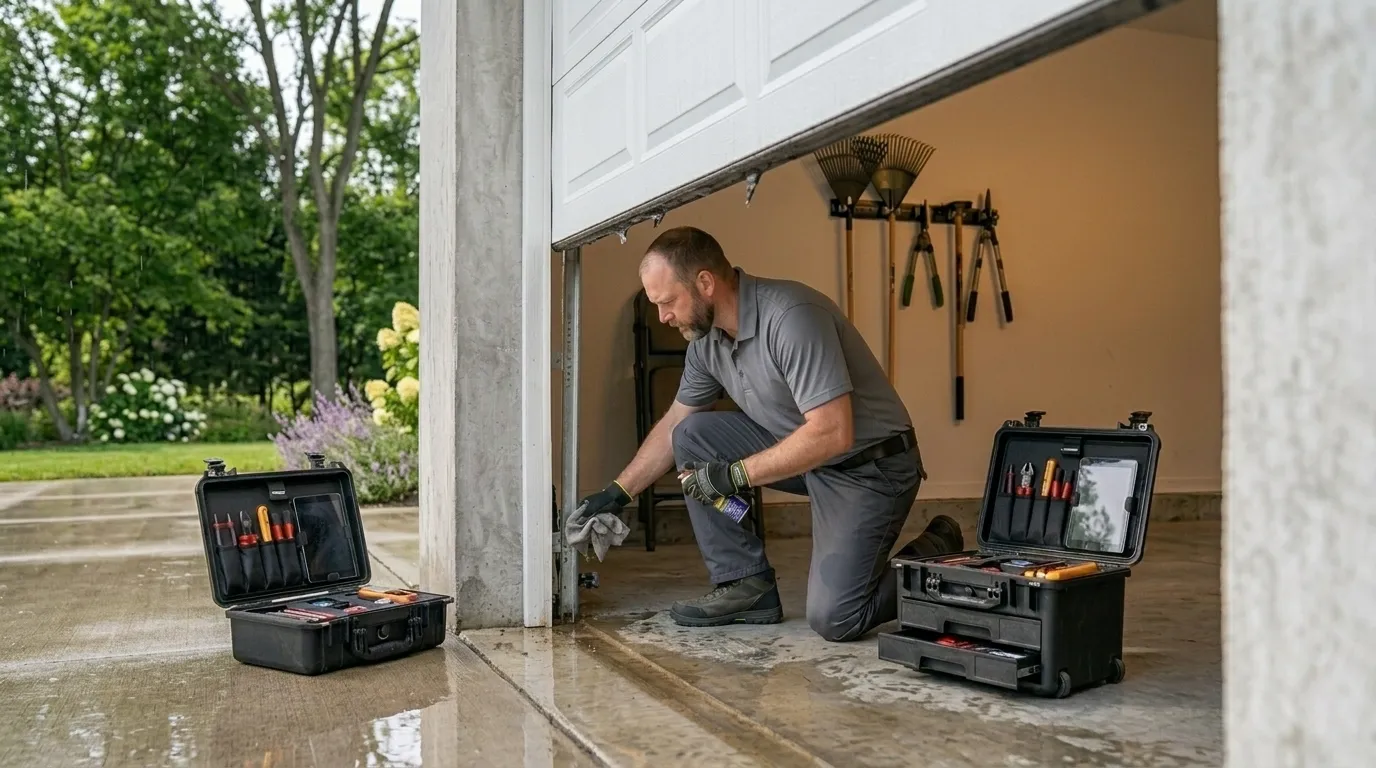
A look at the doors, springs, and openers our crew has been on lately.
Areas We Serve
Frequently Asked Questions
Why did my garage door spring break in cold weather?
Steel torsion and extension springs lose flexibility as temperatures drop, and repeated freeze-thaw cycles common in this moderate-cold climate band add stress each time metal contracts and expands. A spring that's already near the end of its cycle count often fails during a cold stretch rather than a hot one, which is why we see a jump in spring calls through the winter months.
Is my garage door old enough that parts won't match?
If your house was built in the 1951-2002 range typical of this area, especially the 1960s-70s stretch that makes up most of the stock, there's a real chance your track spacing, spring size, or panel bore doesn't match current stock hardware. We check the existing setup before ordering anything so we don't send a part that won't fit.
Do you serve towns near Liberty, not just Liberty itself?
Yes. We cover Liberty and the surrounding area out to roughly twenty miles, including Claycomo, Missouri City, Sugar Creek, Gladstone, Kearney, Smithville, Platte City, and the other named communities nearby. Distance from Liberty affects scheduling more than anything else.
How do I know if I need a repair or a full replacement?
It usually comes down to the panels, not just the hardware. If springs, cables, or rollers are the problem, repair almost always makes sense. If the door itself is rusted through, delaminated, or uninsulated in a way that's costing you on heating, replacement is the better long-term spend. We'll tell you which situation you're in during the visit.
Ready to Get Your Door Fixed Right?
Call now or request a quote online, and we will tell you straight what your door needs.